Nigeria's creative Place

From the studios of Lagos to the stages of London and New York Nigeria's photographers, musicians, and fashion makers built a visual and sonic language the world is still borrowing from. This is their archive.

Memories That Never Left

Nigeria began as a profession in the late nineteenth century, attracting practitioners from across West Africa. The professional prestige accorded to photography in Nigeria has led to the country being characterized as a 'photographic giant' in the region

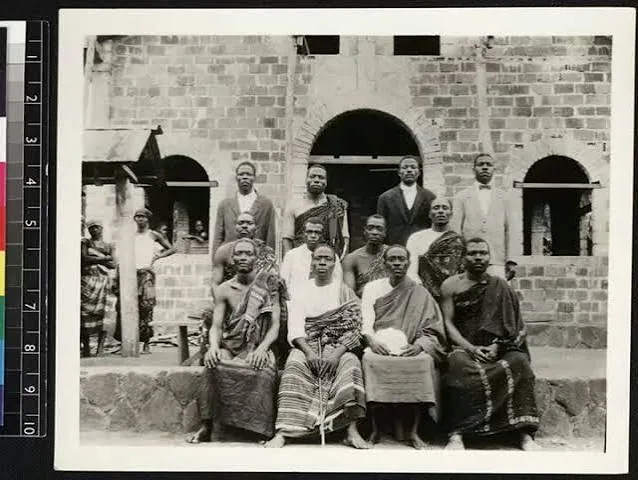
A group portrait outside an early Lagos photography studio

The first era of the studios

Photography in Nigeria began in the mid-19th century, when British Methodist pastor Daniel West reportedly took daguerreotypes in Abeokuta and Lagos in 1856.

By the 1880s, professional photography studios had emerged in Lagos, often operated by Sierra Leoneans, Liberians, and Brazilians. Neils Walwin Holm became one of Lagos’s leading photographers between the 1890s and 1910.

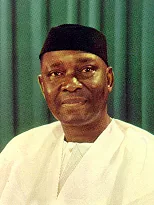
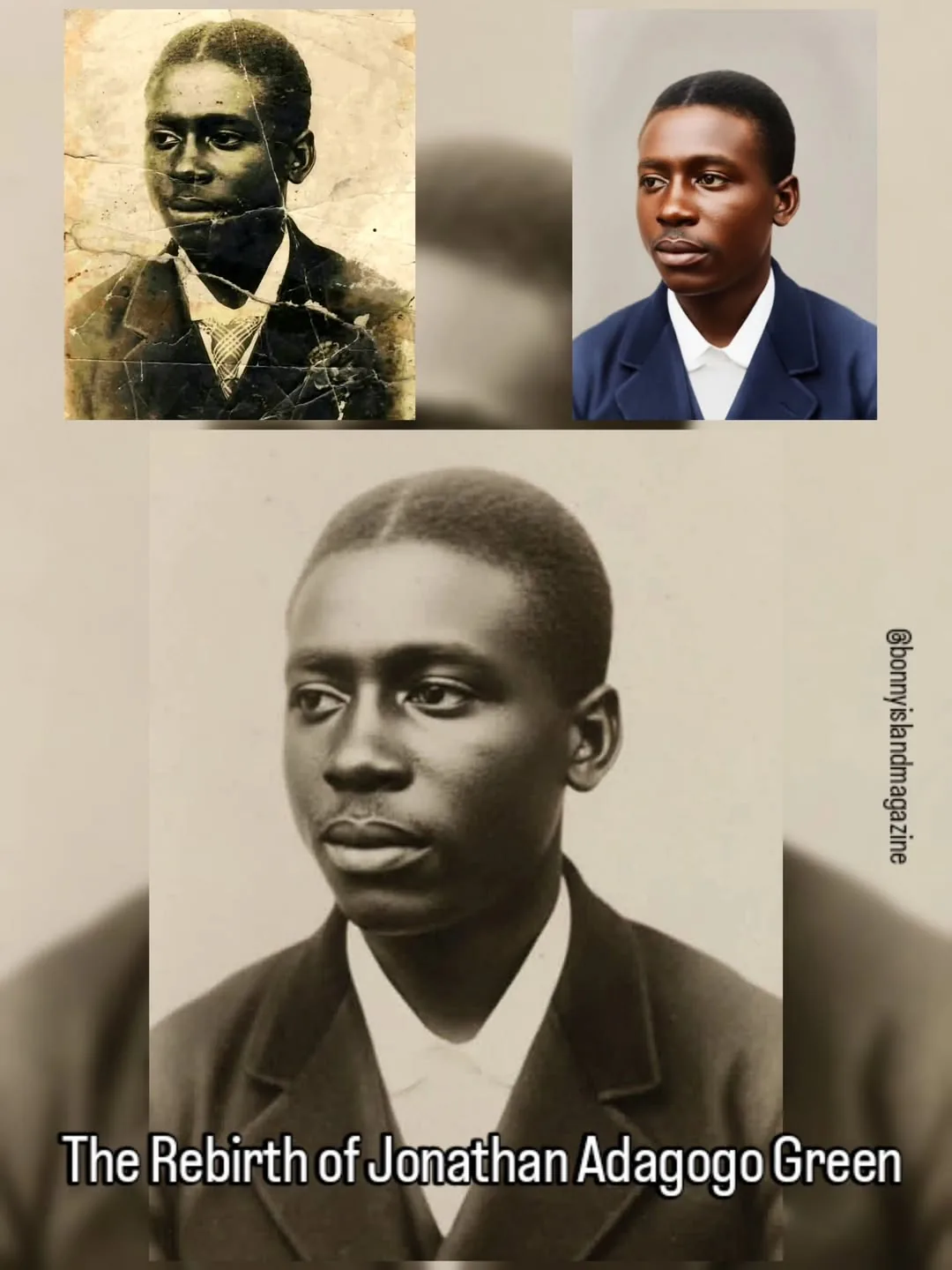
Portrait of Jonathan Adagogo Green
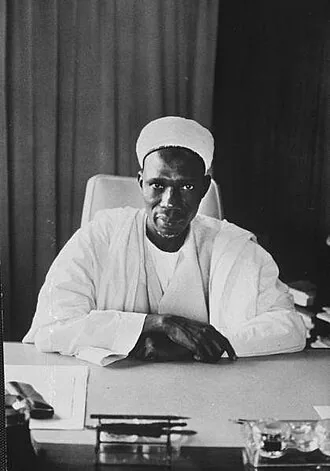
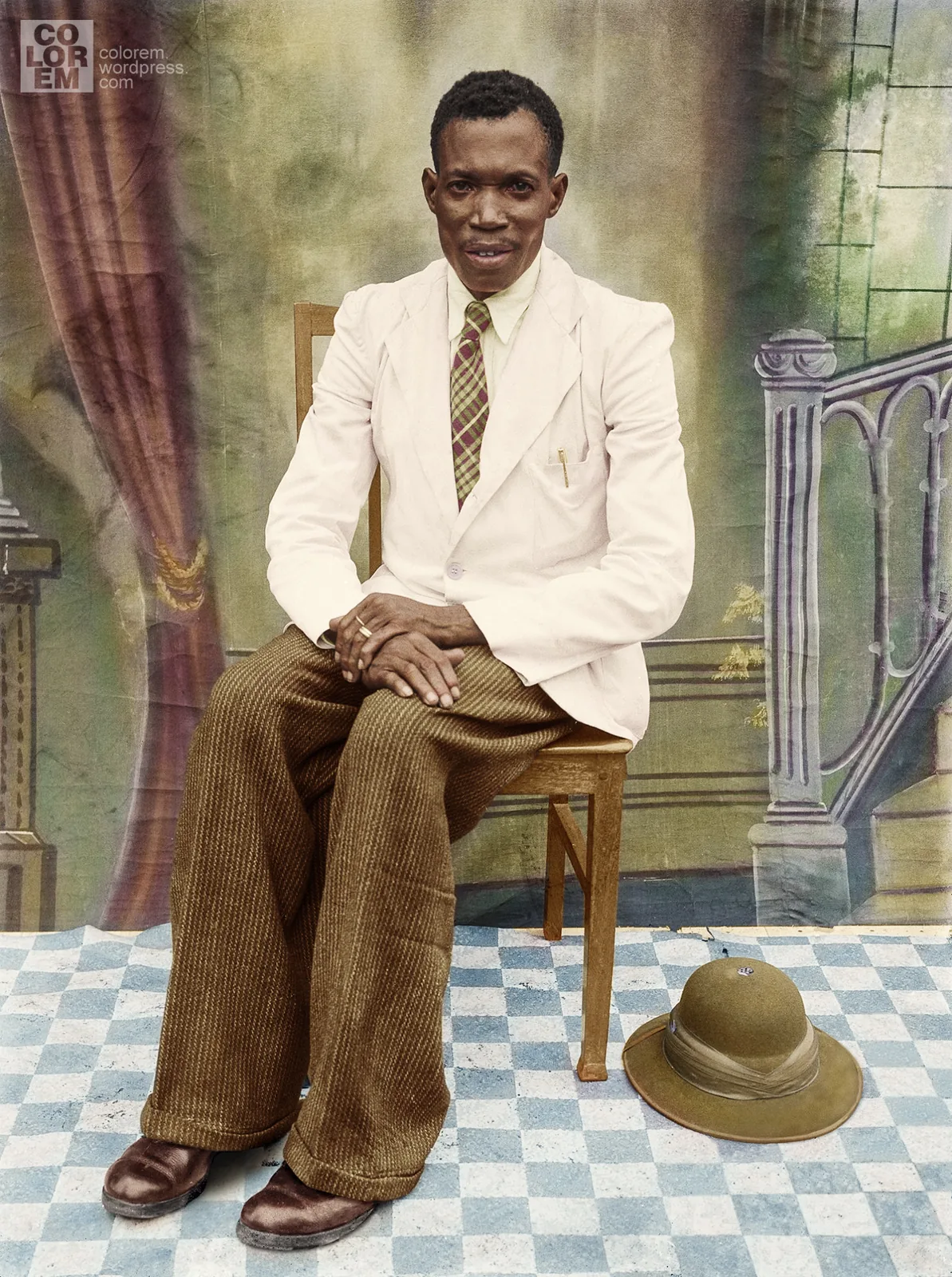
Portrait of Solomon Osagie Alonge

the early 20th century pioneers

Jonathan Adagogo Green (left) and Solomon Osagie Alonge (right) helped establish photography across Nigeria. Alonge became the official photographer of the Benin royal court in the 1930s, while the National Professional Photographers Association was established in 1947.

100 years of pop music in Nigeria (Nation Africa)

The sound of Nigerian Music

Nigeria did not receive music from the world. It gave music to the world. From the talking drums of the Yoruba and Igbo to the polyrhythmic fury of Fela Kuti to the billion-stream dominance of Afropop this is the lineage of a sonic nation.

1920s – 1950s: Jùjú and the Talking Guitar

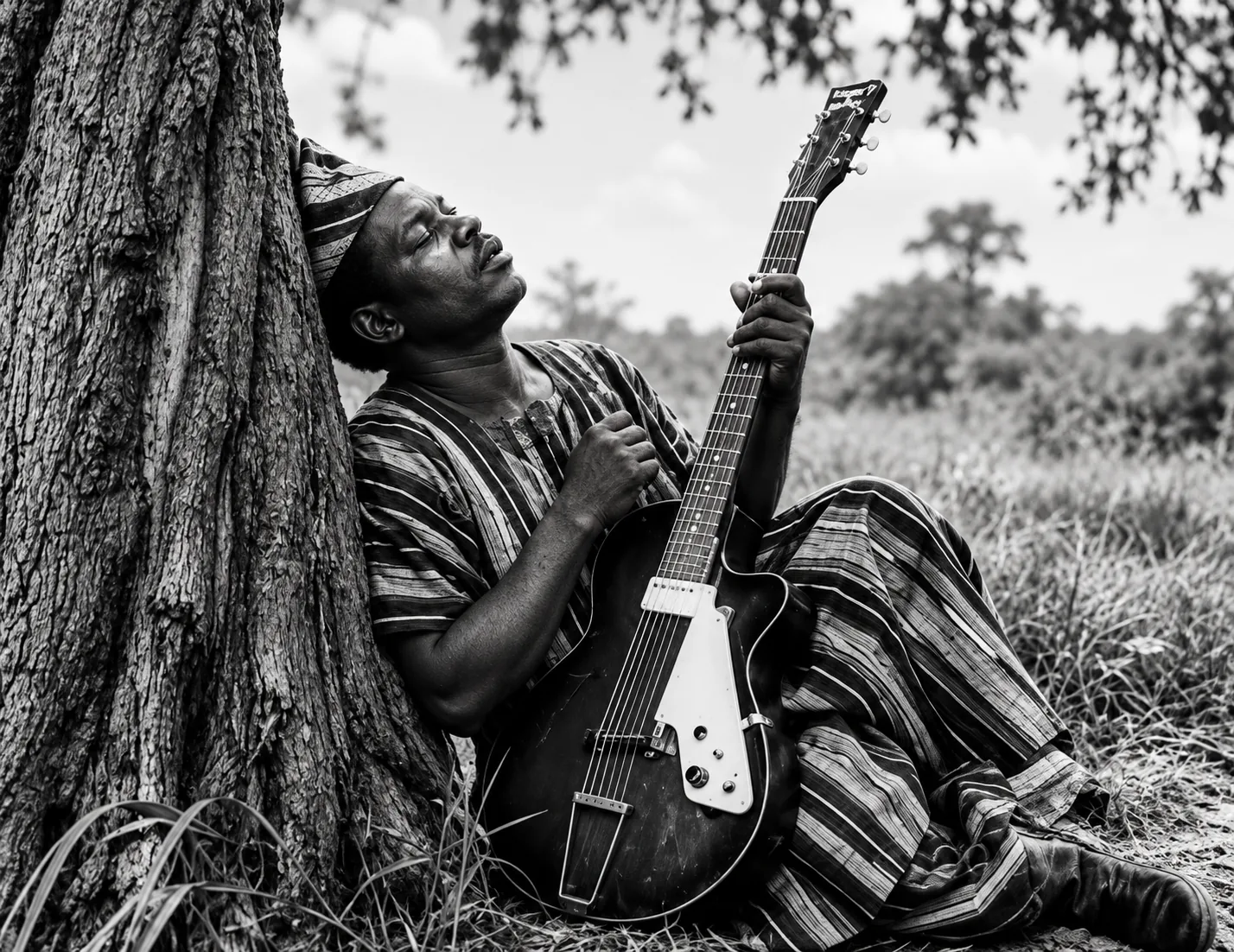
Tunde King is widely credited with creating Jùjú music in Lagos in the 1930s a fusion of Yoruba percussion and the guitar that had arrived with Sierra Leonean Krio settlers. I.K. Dairo later electrified it in the 1950s, earning an MBE from the British crown and sending it around the world. Nigeria had already exported its first genre before most Nigerians owned a radio.

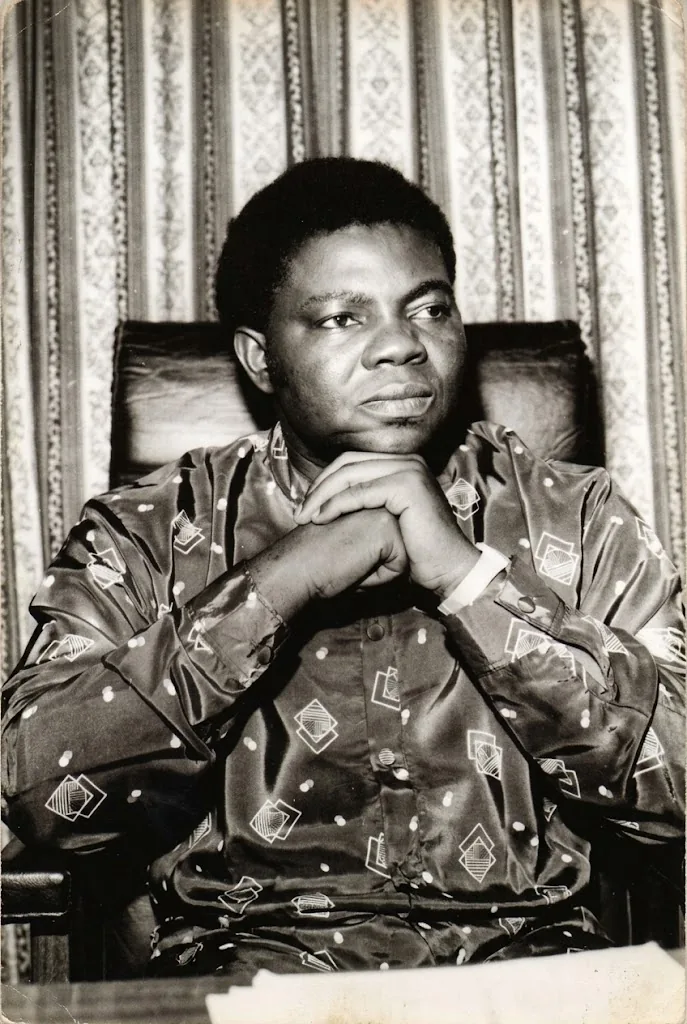
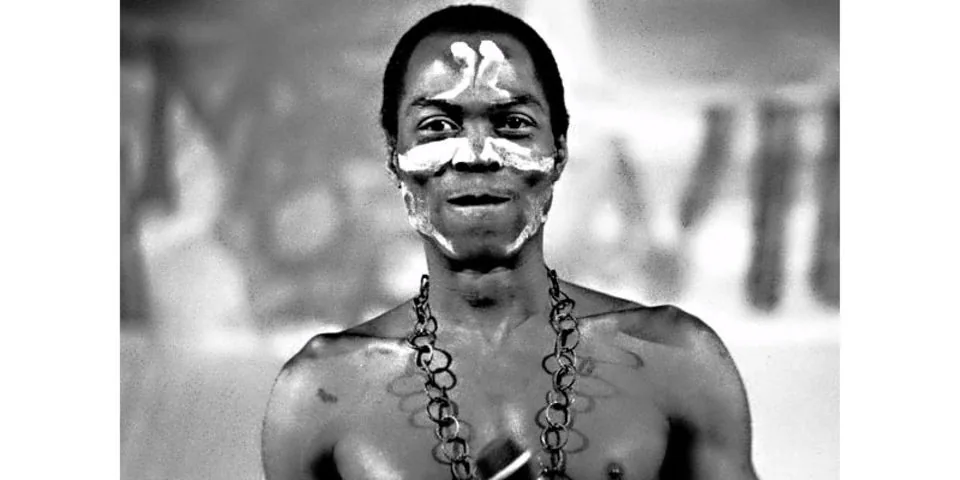
Fela Anikulapo Kuti Father of Afrobeat, used his music as a fearless tool for political resistance.
Fela Anikulapo Kuti with face paint

1960s – 1970s: Highlife, Afrobeat, and the Politics of music Sound

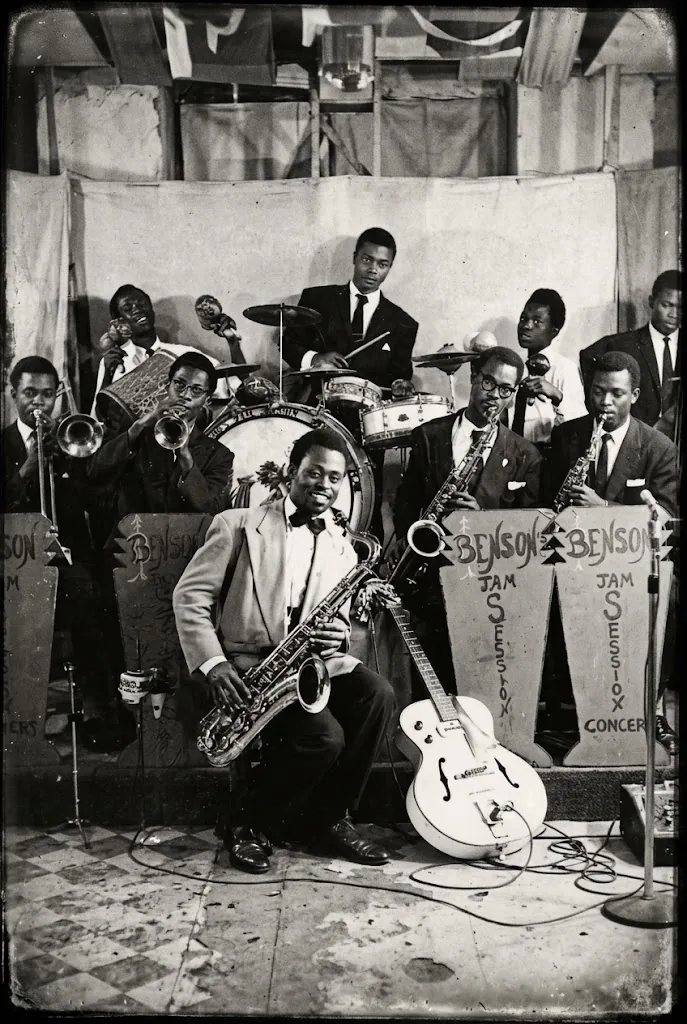
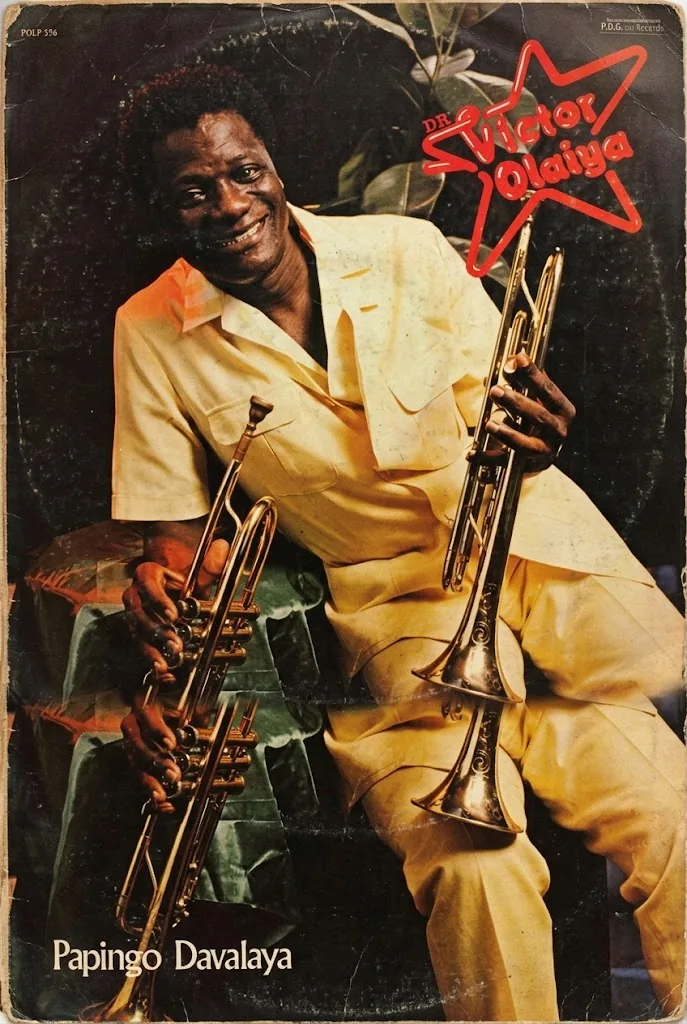
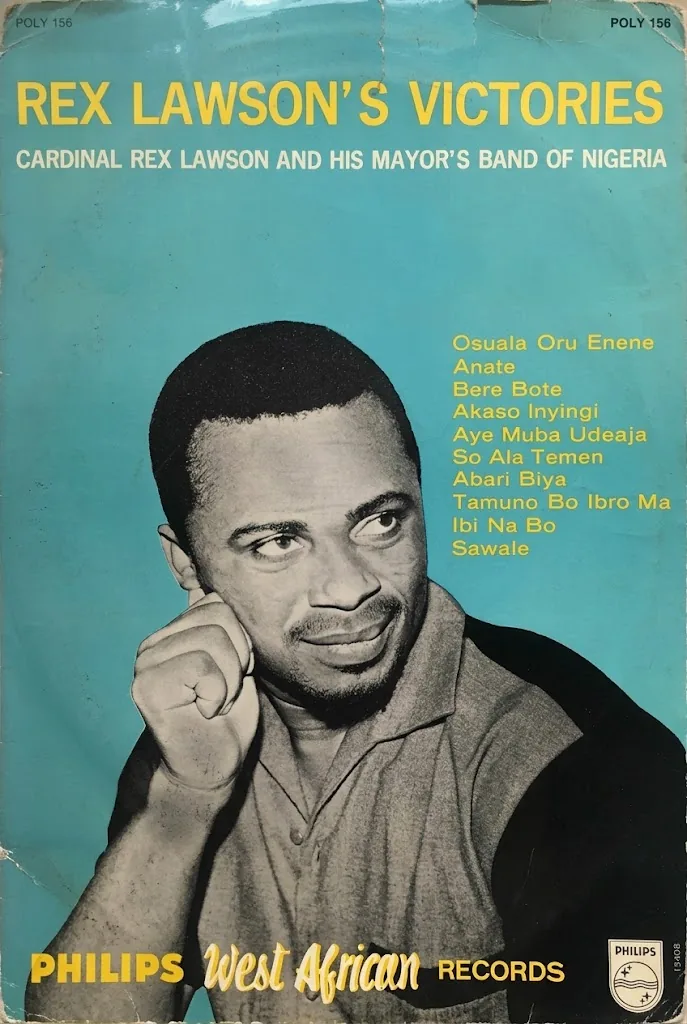
Highlife arrived from Ghana but Nigeria made it its own Bobby Benson, Victor Olaiya, and Rex Lawson giving it a Lagos swagger that was entirely distinct. Then Fela Anikulapo Kuti changed everything in music.

Returning from the United States in 1970 with a new ideology and a new sound Afrobeat he turned music into a weapon. His Afrika Shrine became the most politically dangerous nightclub in the world. The government raided it. They burnt his house. He kept playing.

Tunde King Pioneer of Jùjú music, shaped modern Nigerian popular music in the 1920s.
Tunde King
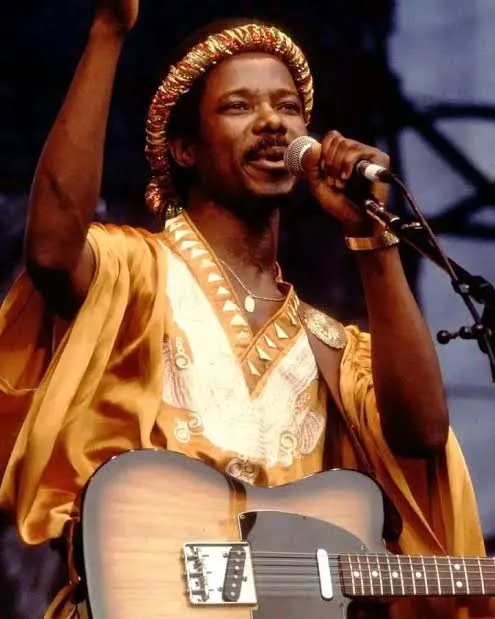
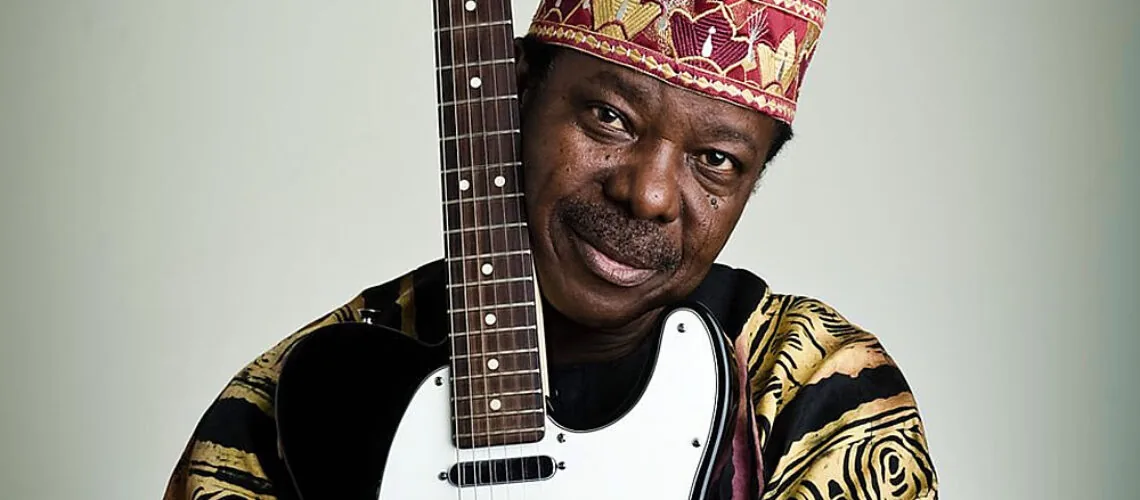
King Sunny Ade Modernized Jùjú and helped take Nigerian music global.
King Sunny Ade
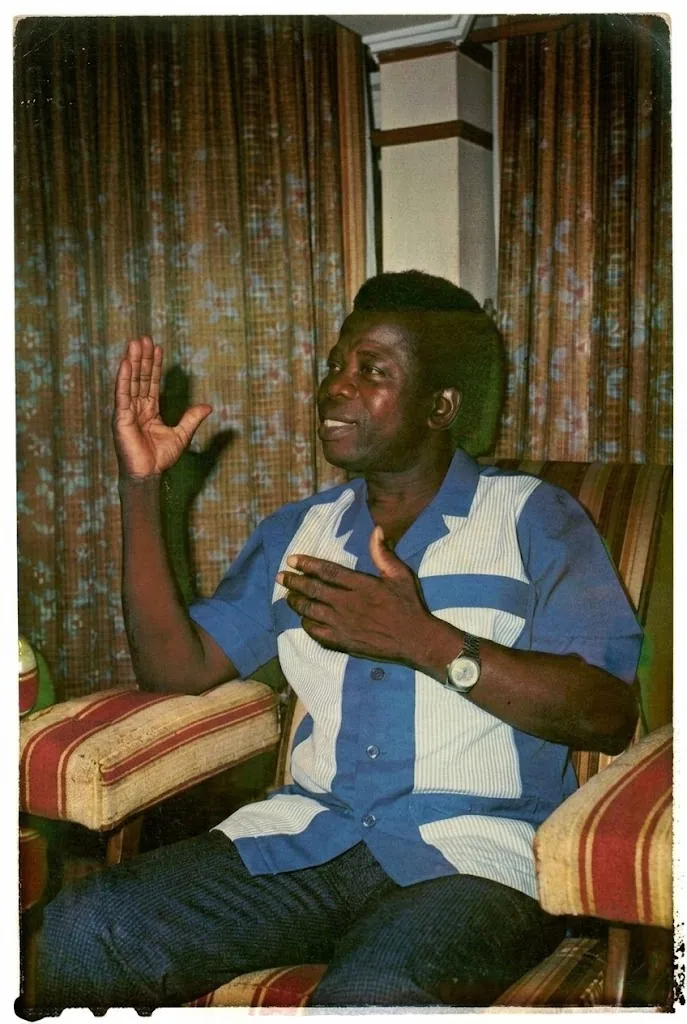
I. K. Dairo
I. K. Dairo Modernized Jùjú with electric guitar and rhythms.
Bobby Benson and his band
Bobby Benson Pioneer of highlife who blended West African rhythms with jazz.
Victor Olaiya
Victor Olaiya Iconic trumpeter who shaped highlife music. Nigeria’s independence-era.
Haruna Ishola Popularized Apala music with powerful percussion and Yoruba storytelling.
Haruna Ishola
Rex Lawson
Rex Lawson Legendary highlife bandleader and songwriter.
Chief Commander Ebenezer Obey
Chief Commander Ebenezer Obey Transformed Jùjú with intricate guitar arrangements, and philosophical lyric

“High” was in the name because highlife was reserved for “highly” placed Africans resident in urban centres.

While Sunny Ade took Jùjú to Carnegie Hall, a new sound was rising from the mosques and streets of Lagos. Fuji music born from the Islamic Ajisari night-chant tradition found its commercial prophet in Sikiru Ayinde Barrister.

Meanwhile, the Nigerian gospel movement, led by figures like Panam Percy Paul, was filling stadiums with a sound that was entirely Nigerian in its rhythm, even when the words were drawn from scripture.
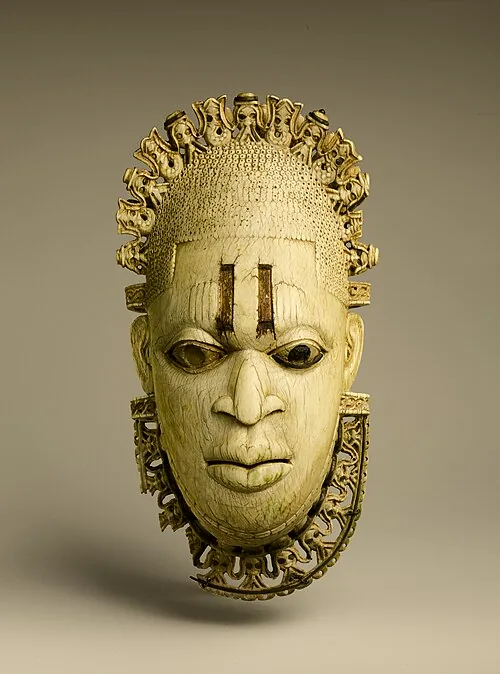
2000–till date: Naija hip hop and Afrobeats

20’s

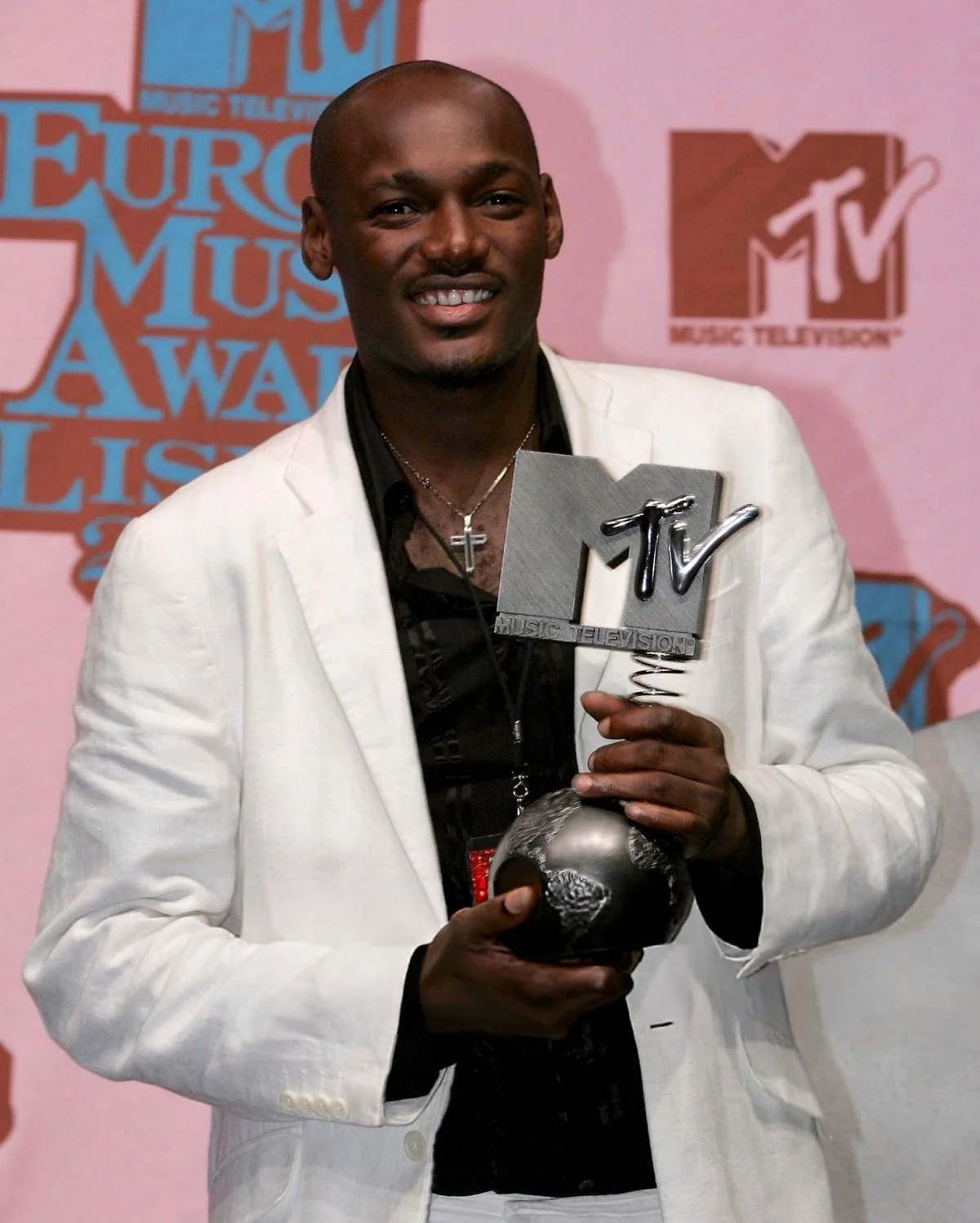
In the early 2000s, a new generation raised on American hip-hop and Nigerian percussion began fusing the two. 2face Idibia's "African Queen" in 2004 was a signal flare. D'banj and Don Jazzy built an empire.

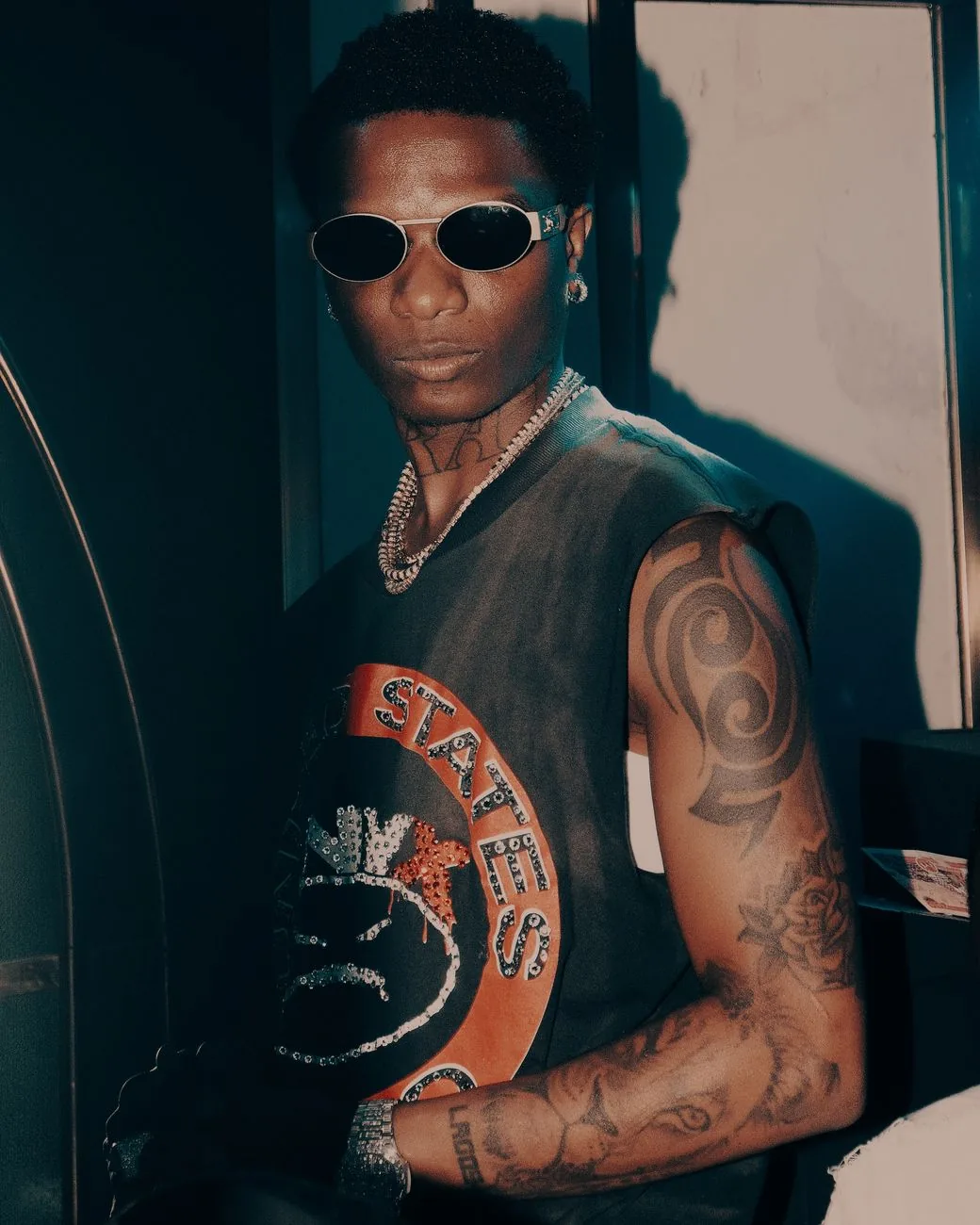
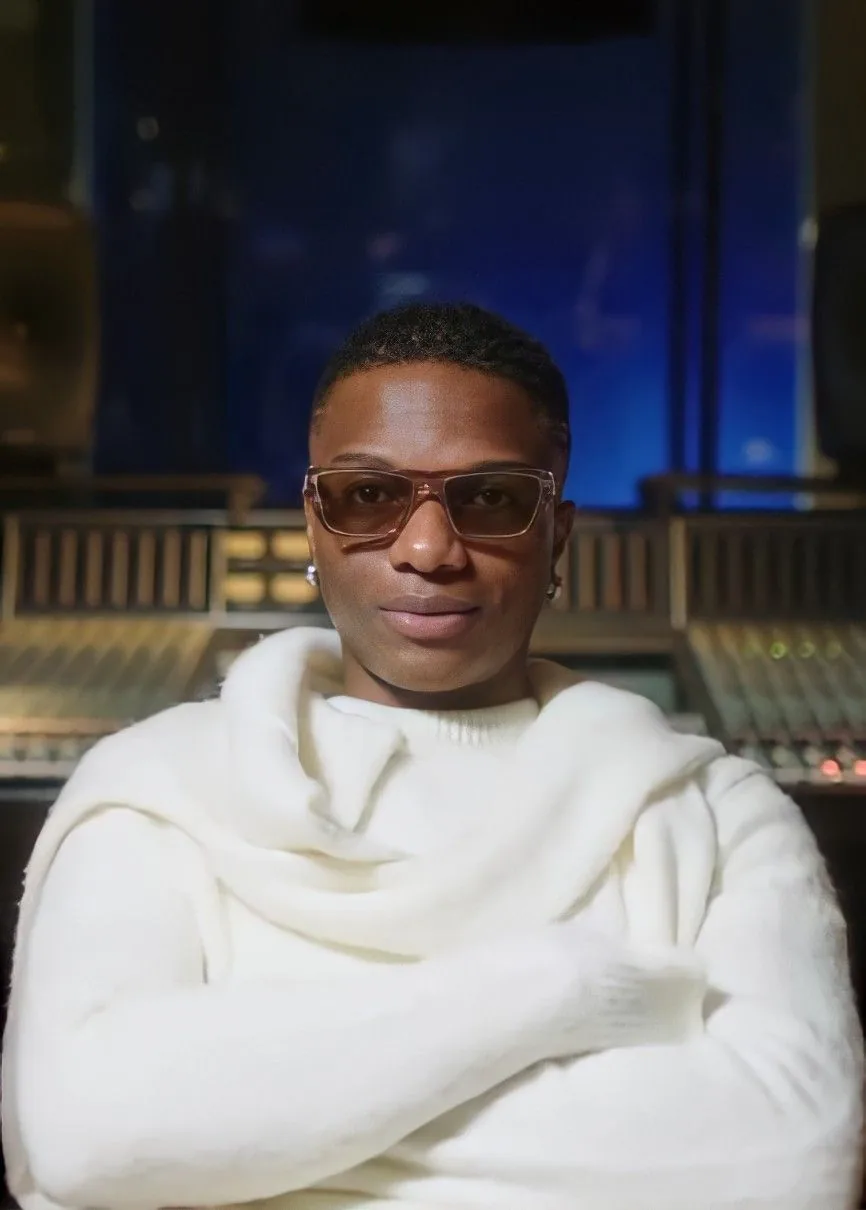
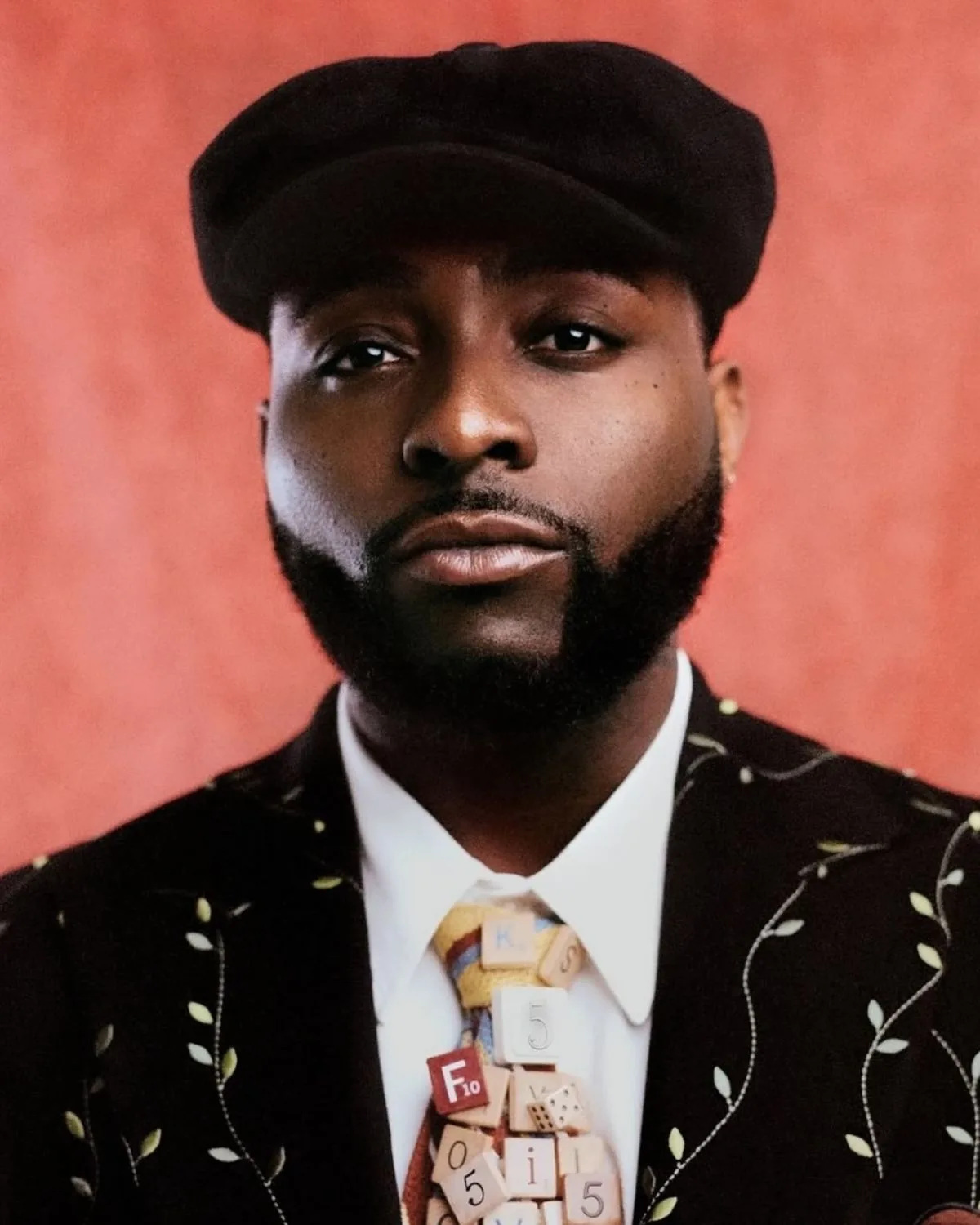
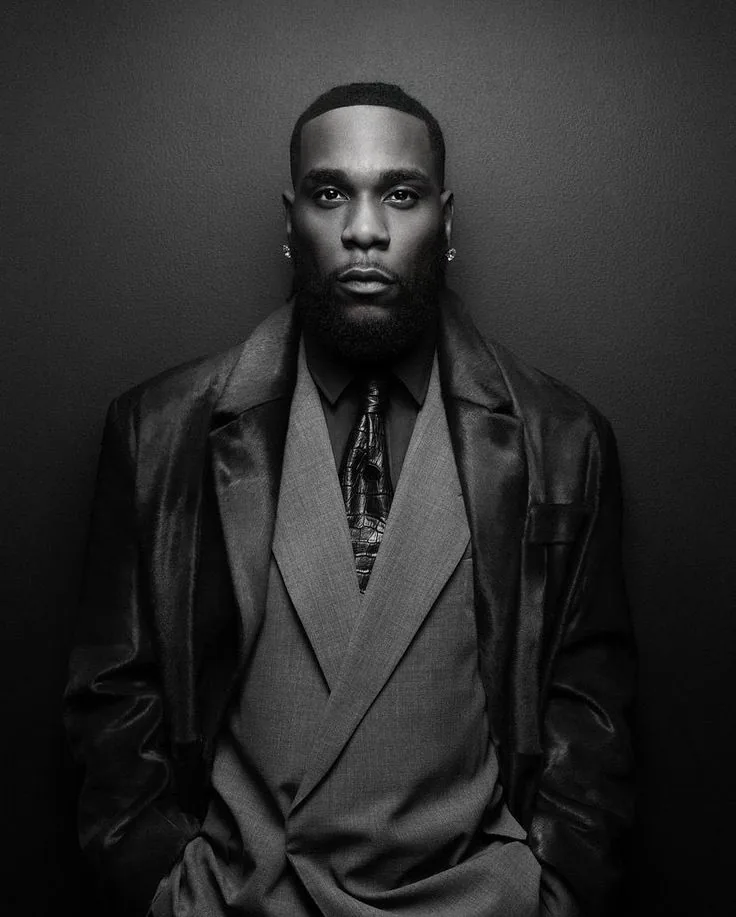
Then Wizkid, Davido, and Burna Boy took it global not by copying the world, but by insisting the world come to them. By 2020, Afrobeats was the fastest-growing music genre on earth.

2face Idibia holding an MTV award
2face Idibia - African Queen Record that told a generation they could sound Nigerian and conquer.
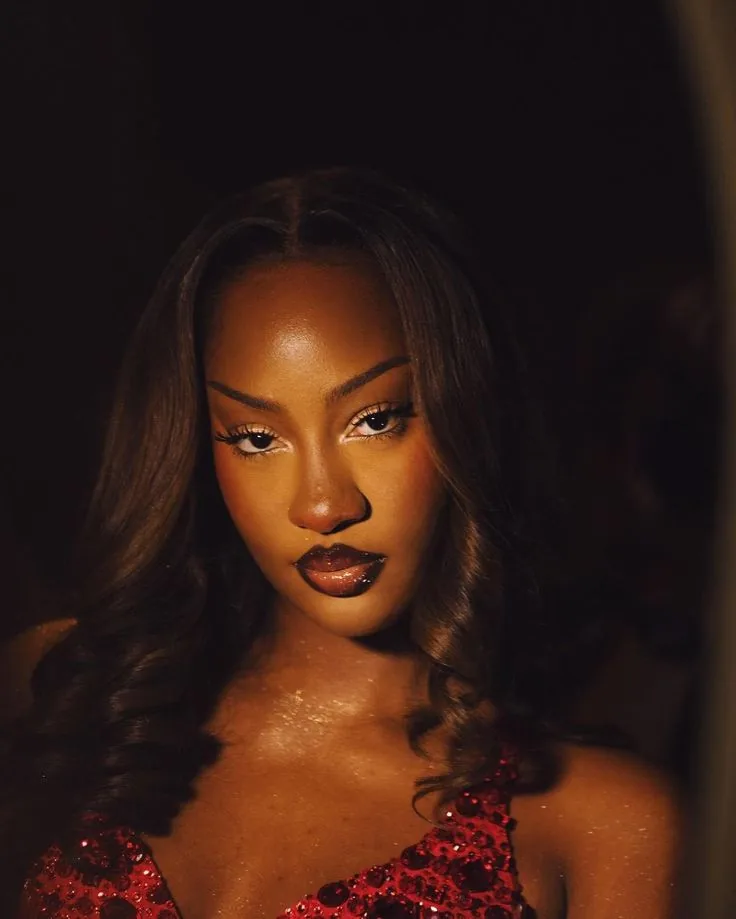
Tems
Tems - Free Mind Alternative R&B and Afrobeats fusion, and historic global collaborations.
Wizkid in a recording studio
Wizkid - Ojuelegba Letter to his Lagos neighbourhood, also a pioneer of global Afrobeats.
Davido
Davido Global Afrobeats singer, songwriter, and record producer
Burna Boy
Burna Boy - Twice as Tall Pioneering global Afro-fusion and Afrobeats artist. Grammy winner.
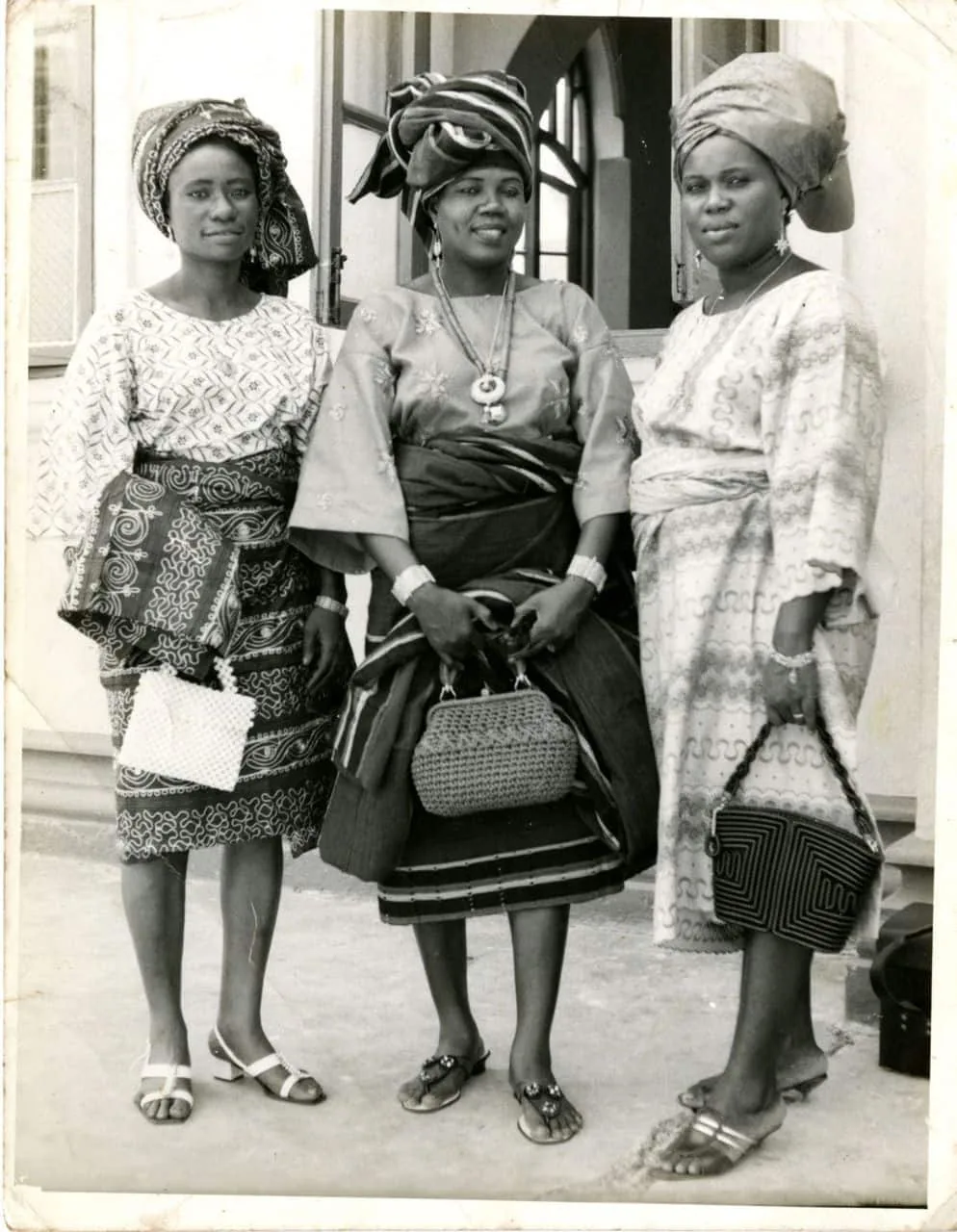
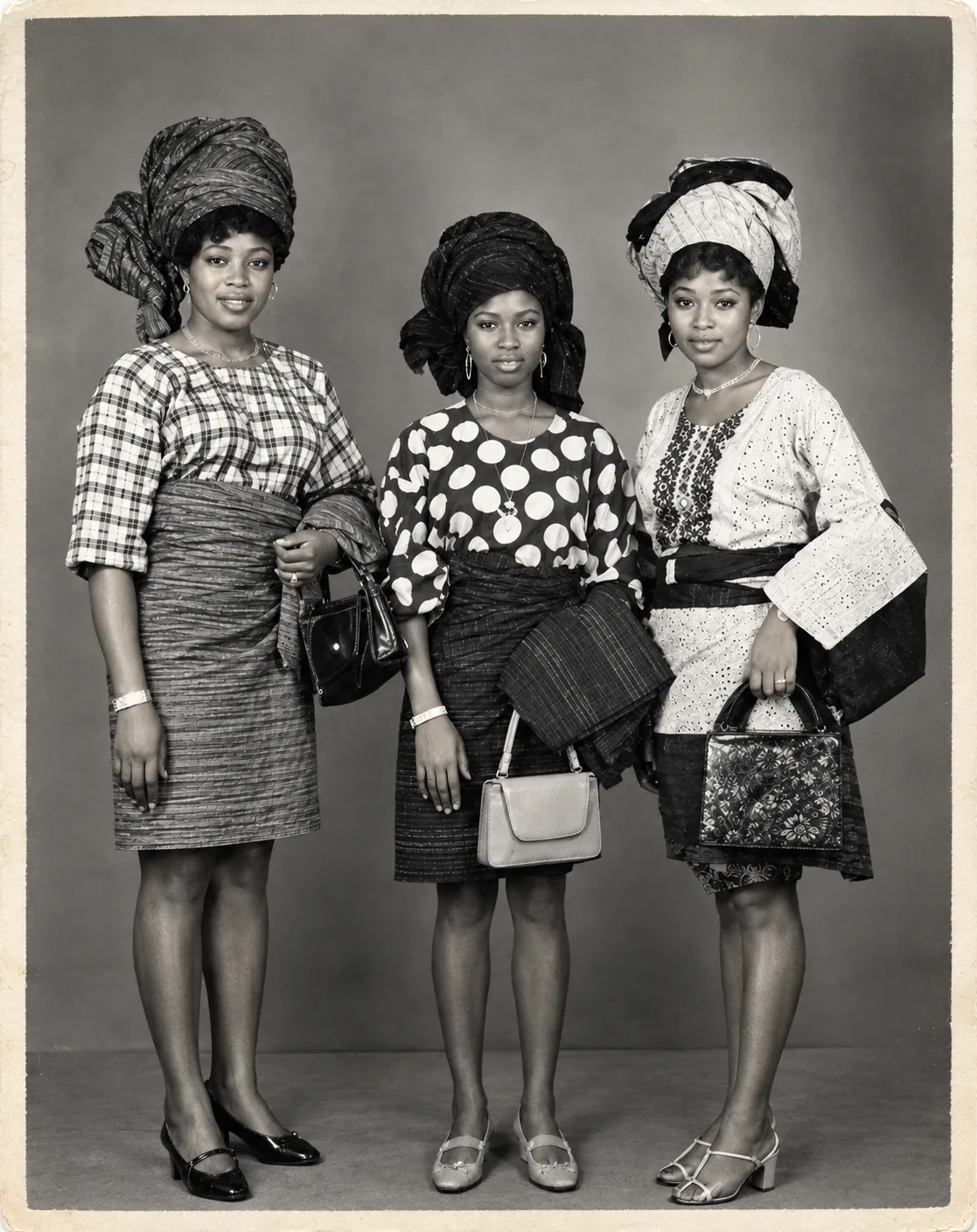
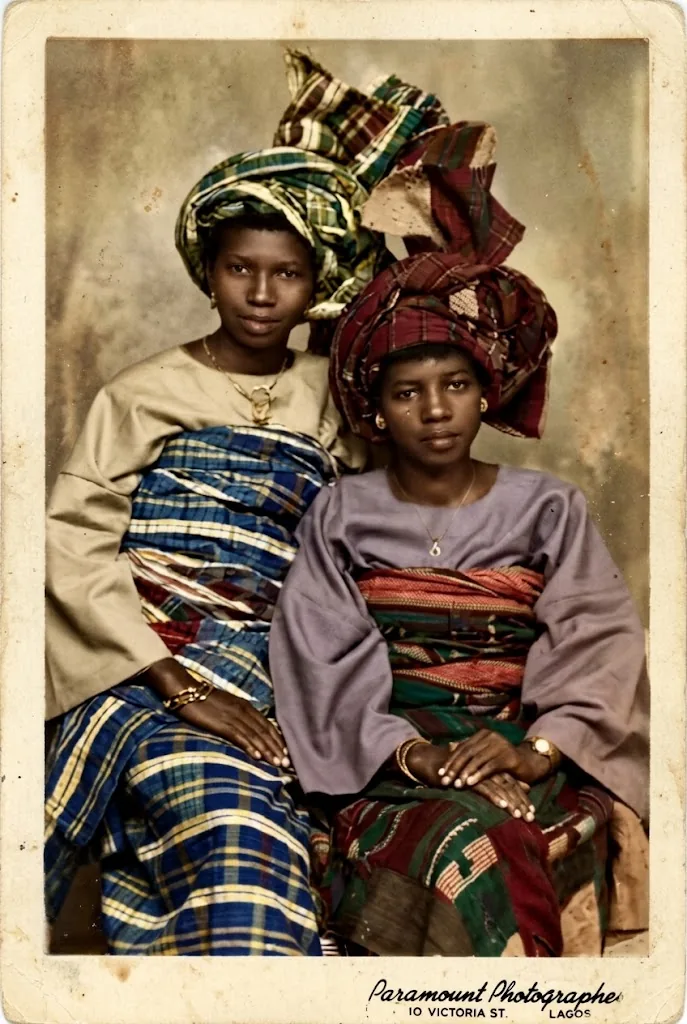
Three Nigerian women in gele and wrappers
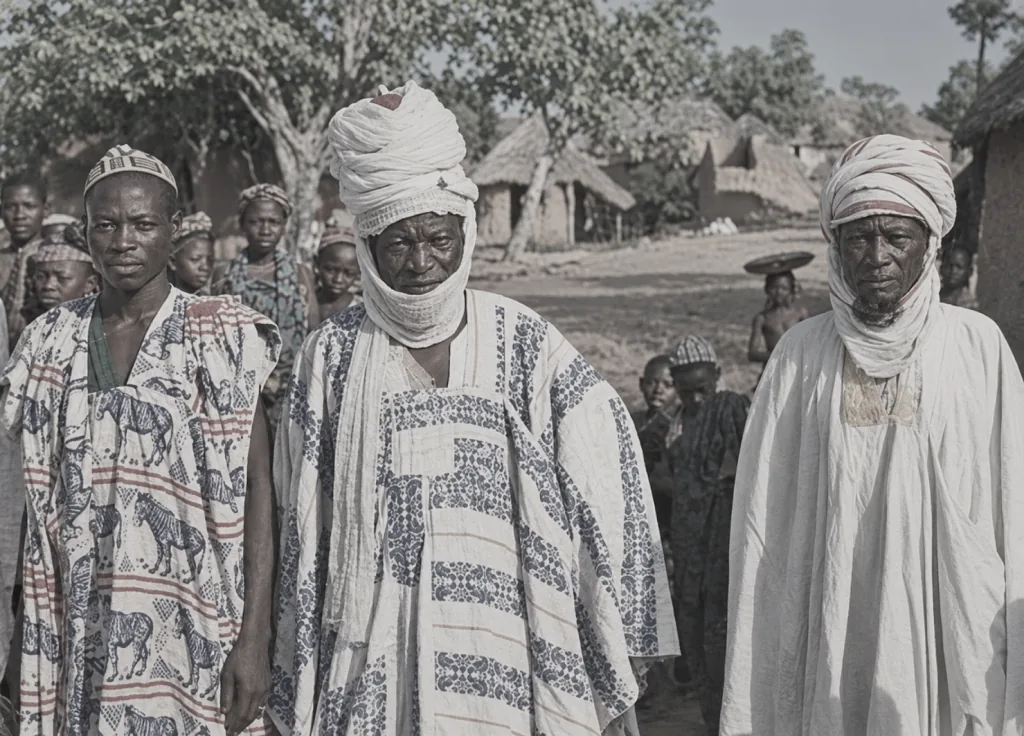
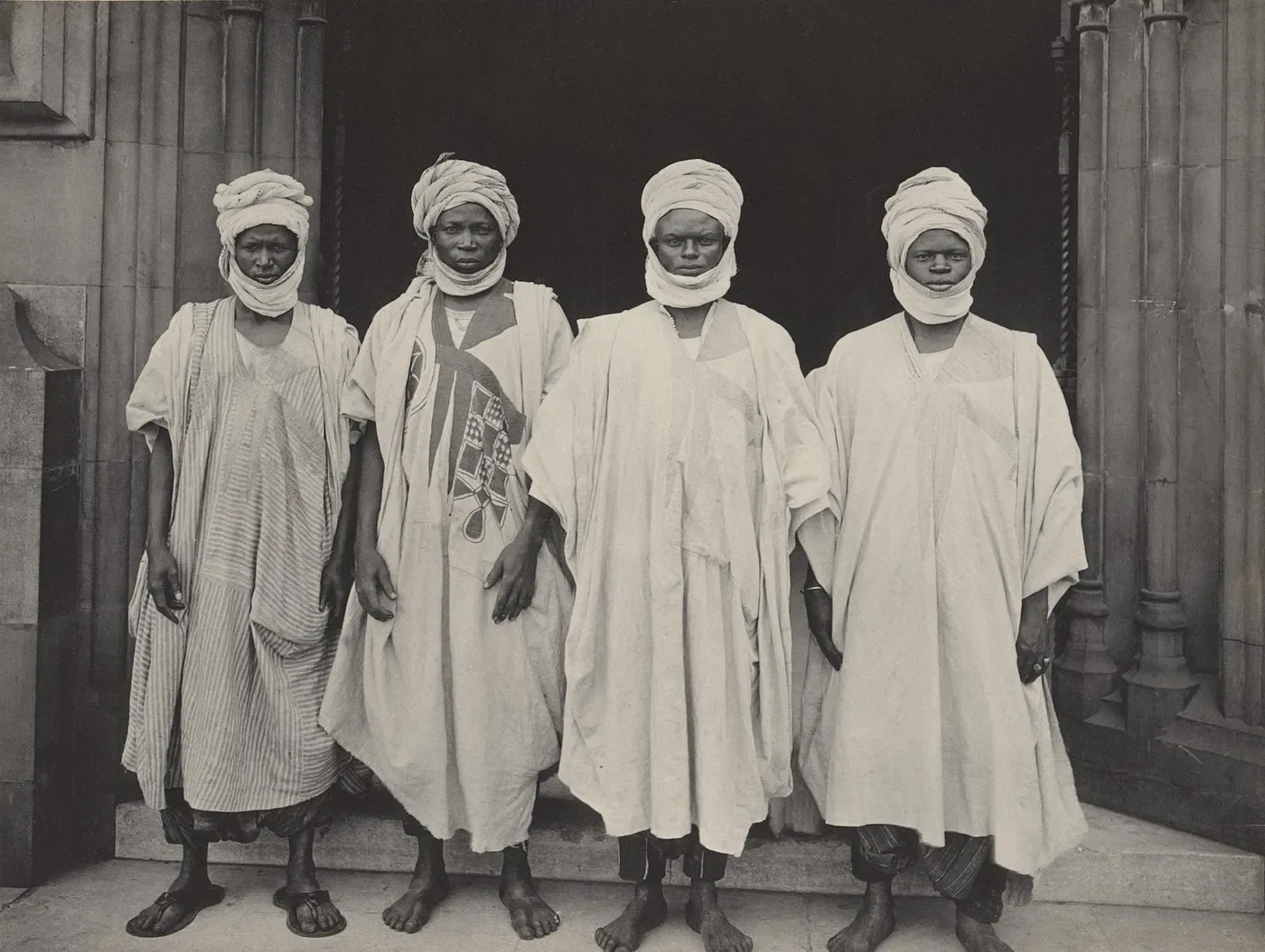
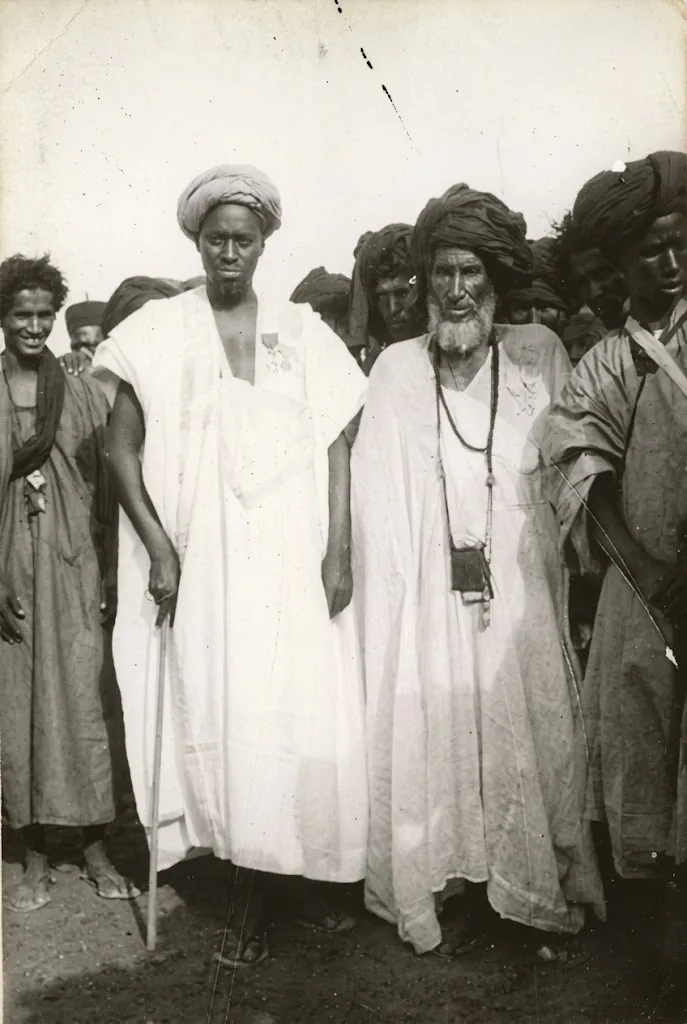
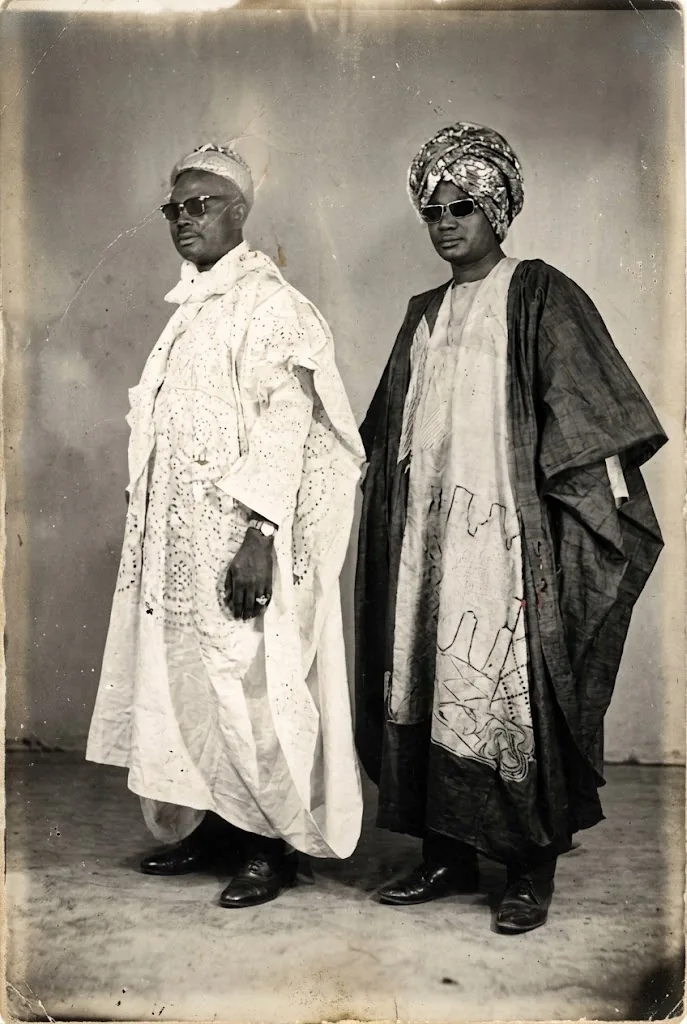
Four men in traditional northern Nigerian robes and turbans

High fashion was never a problem

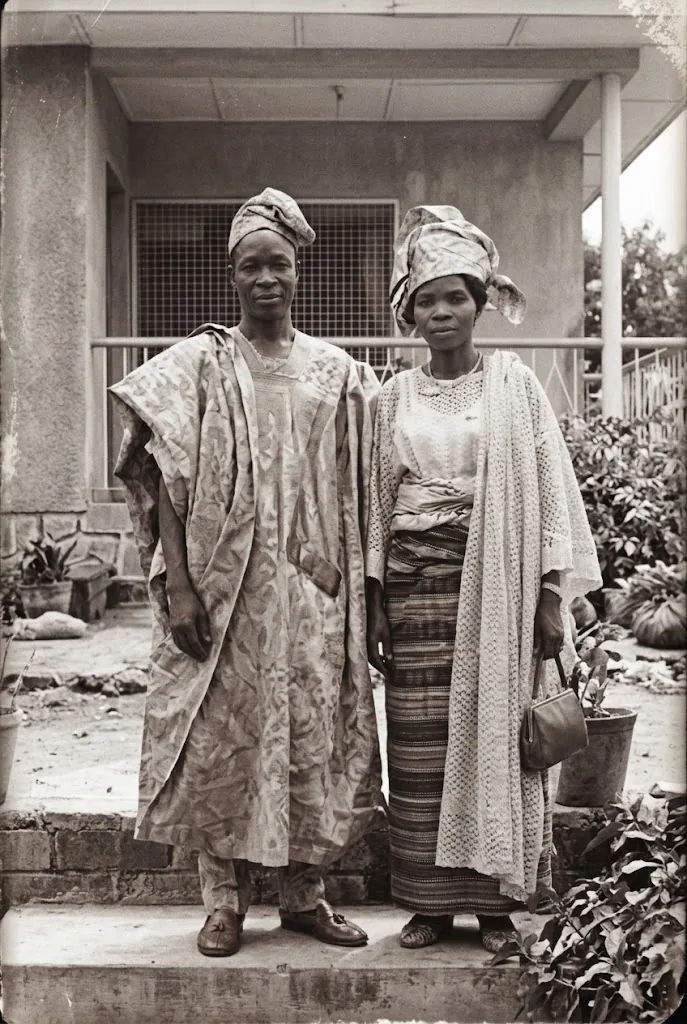
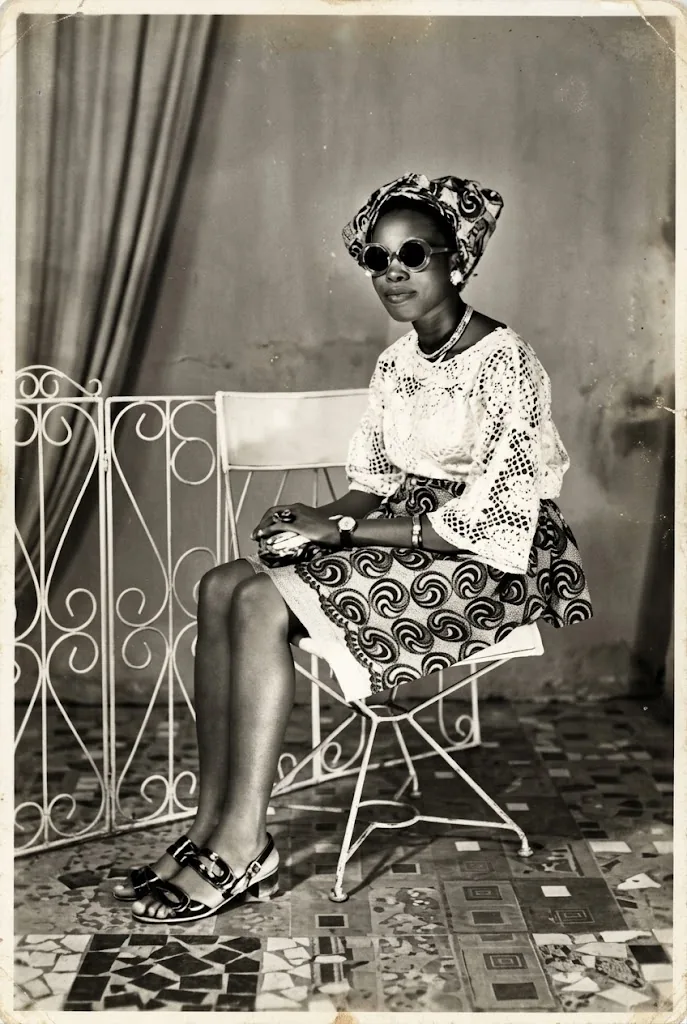
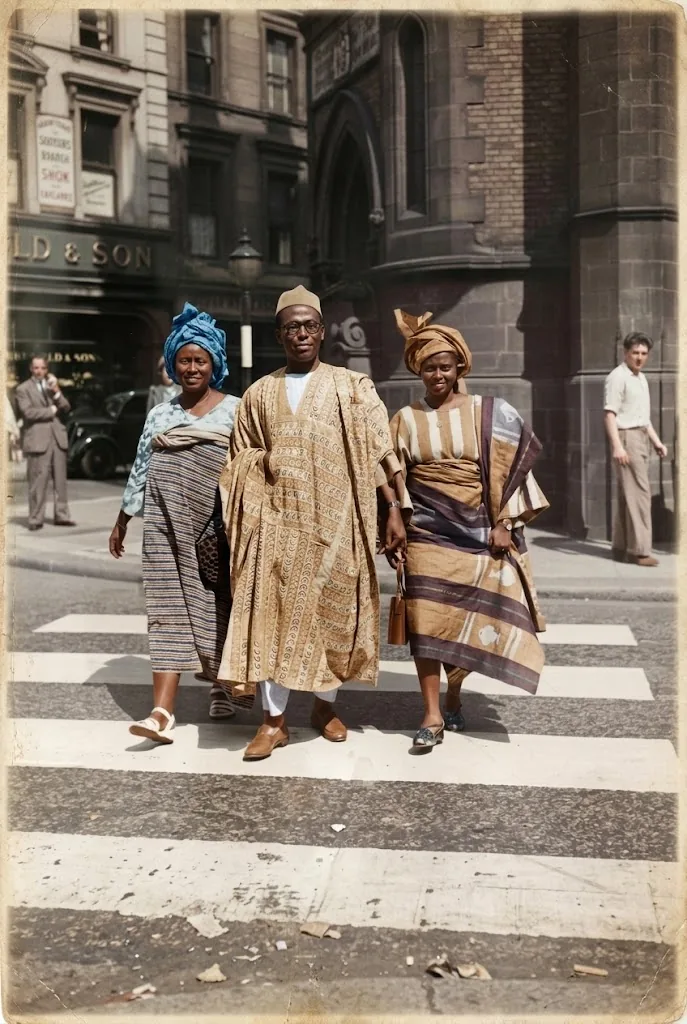
Long before Lagos Fashion Week, before Arise Magazine, before any Western publication acknowledged it Nigerians dressed. They dressed with intention, with status, with joy. Aso-oke was not traditional dress. It was architecture. Ankara was not a print. It was a declaration. The Nigerian approach to clothing has always been: more is correct.
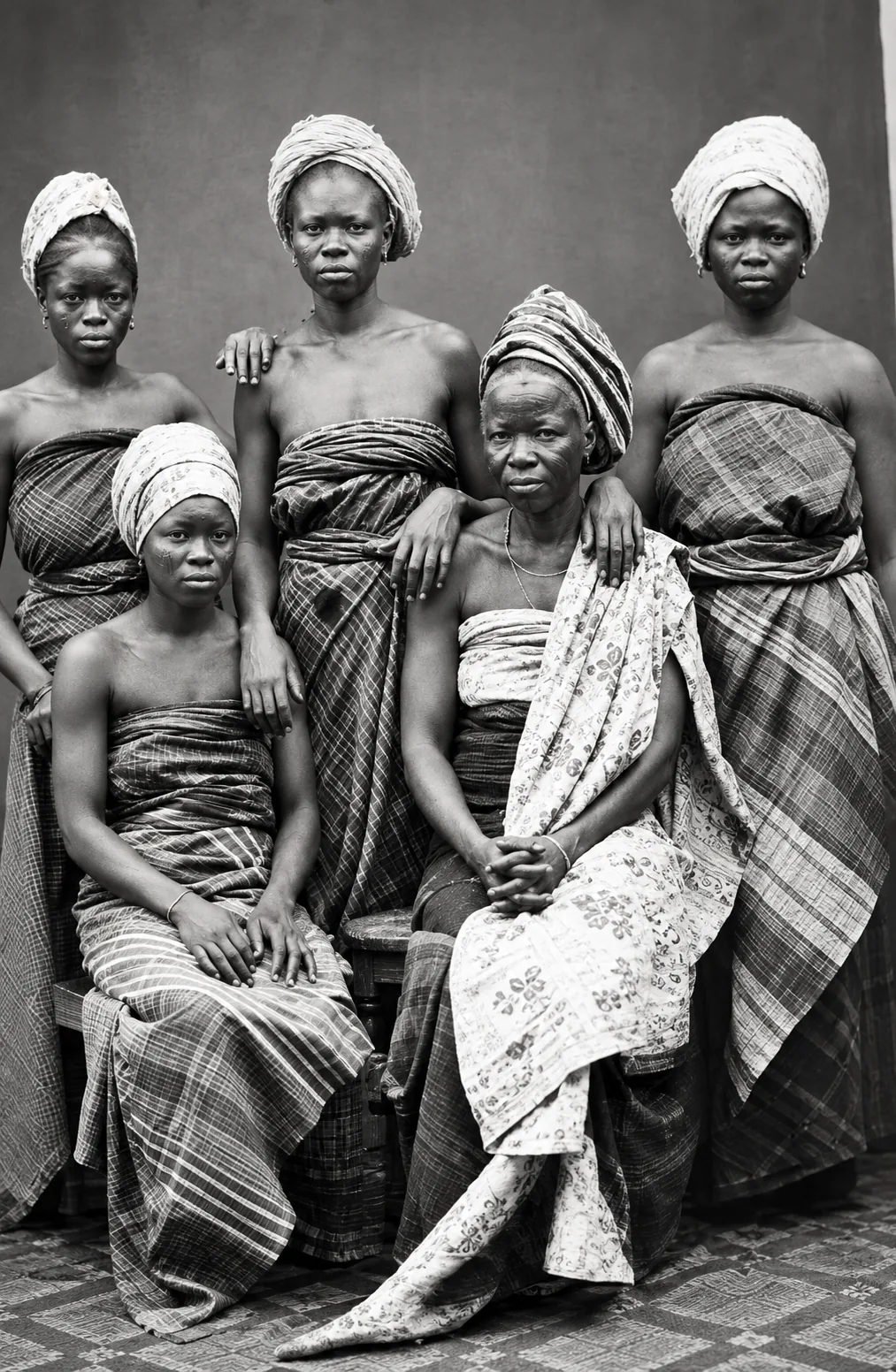
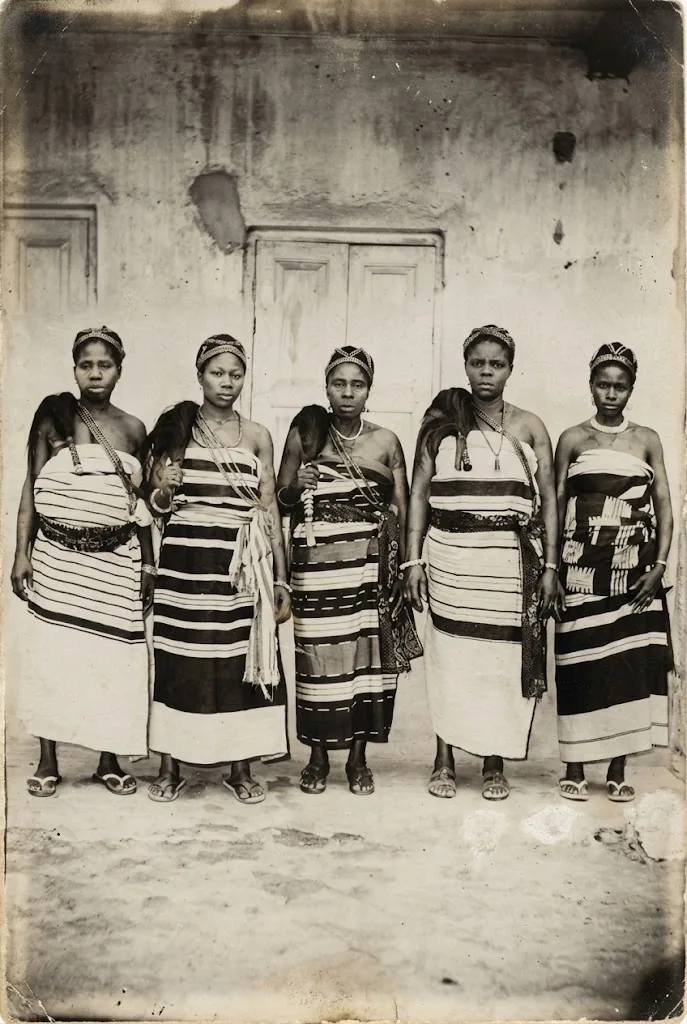
A group of women dressed in Aso-oke

1960s — Aso-oke Era

The Fabric of Ceremony

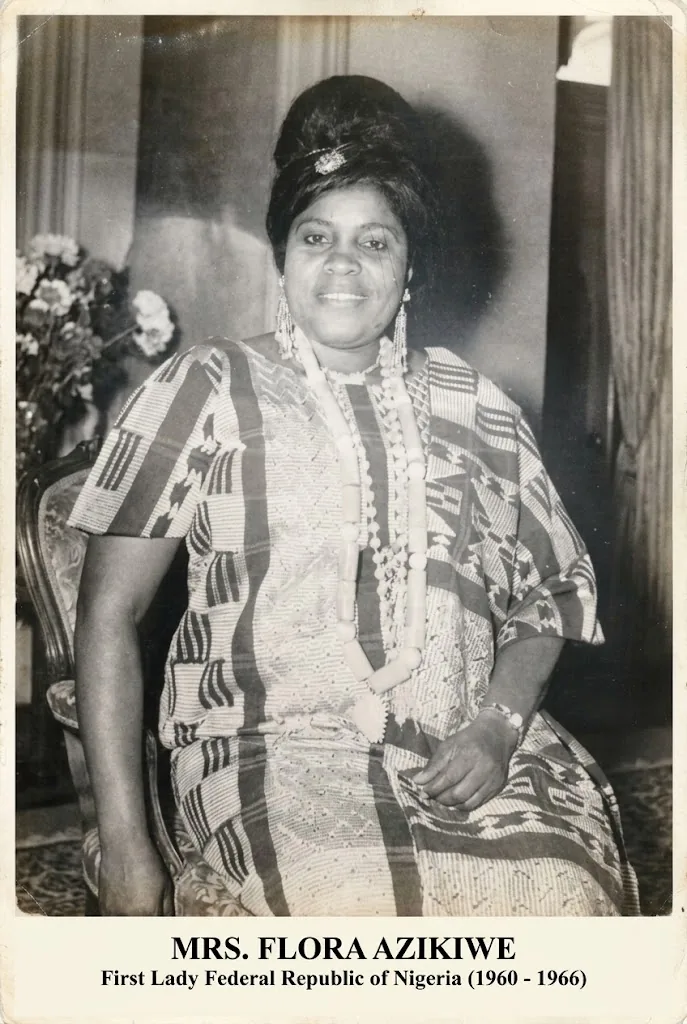
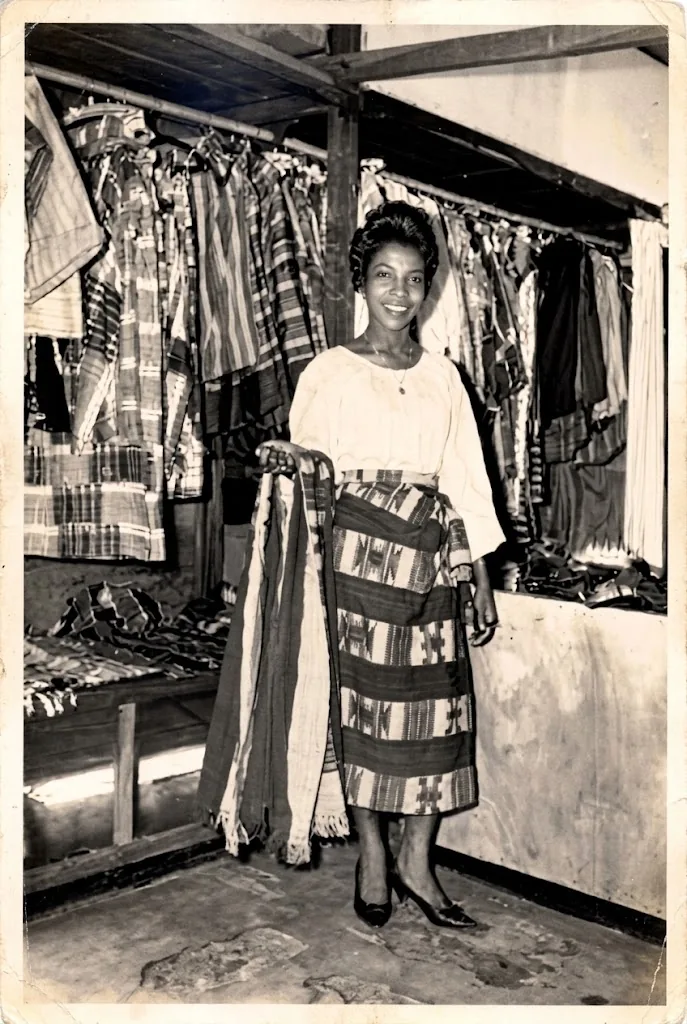
Hand-woven on narrow-band looms across Yorubaland, Aso-oke was never casual. It was worn at marriages, naming ceremonies, funerals, and coronations a textile that carried the weight of occasion. The three canonical colours Etu (dark indigo), Sanyan (beige brown), and Alari (deep red) each had social meaning that fashion schools are only now beginning to study.

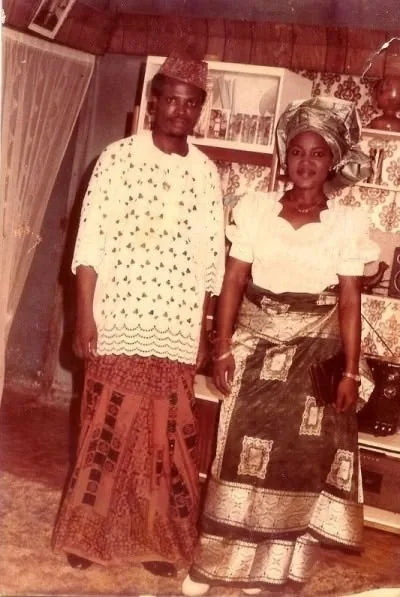
Three women in Ankara print outfits

1970s – 1990s — Ankara Revolution

Prints That Told Stories (Shade Thomas-Fahm)

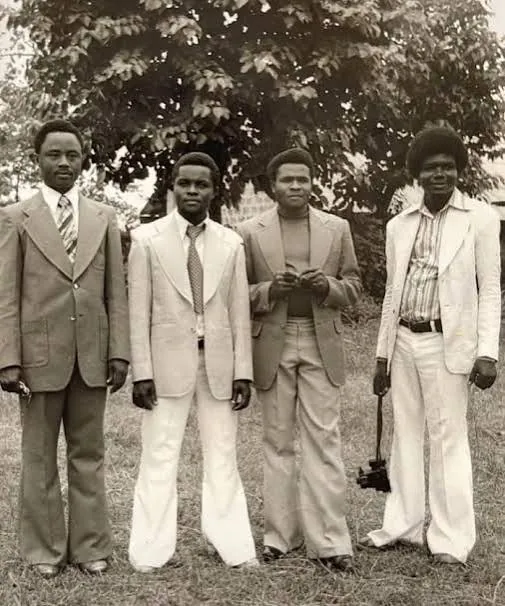
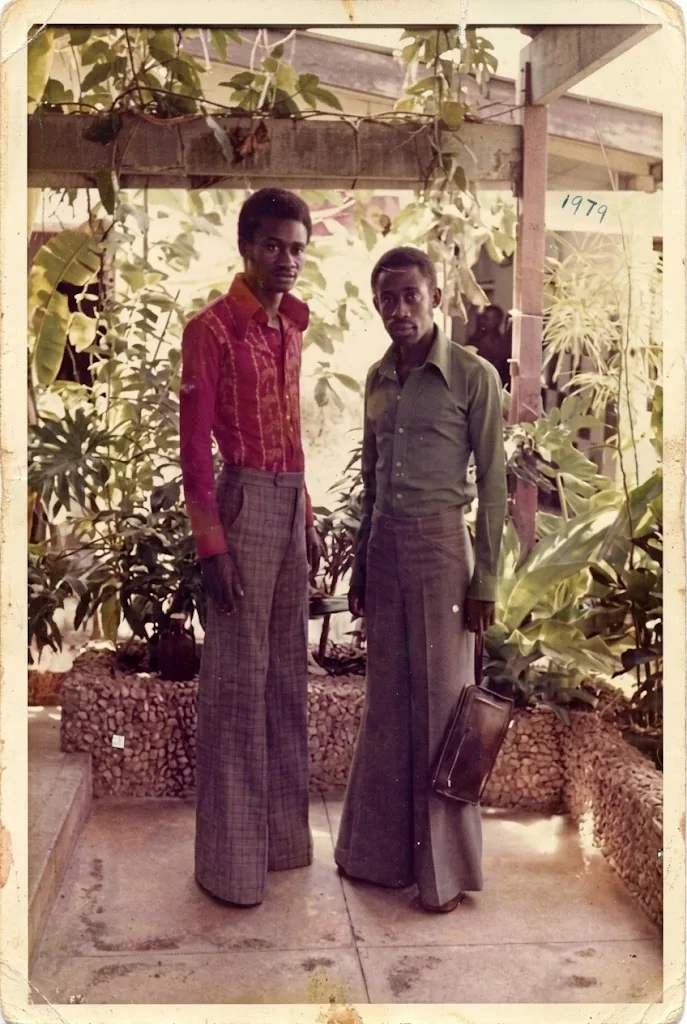
Shade styled up with buba, the first Nigerian modern fashion designer. Dutch wax fabric made West African tailors become Nigeria's dominant fashion language. Lagos tailors developed a cutting style known as the "up and down" suit that was entirely distinct from any Western equivalent. Every market woman, every Lagos socialite, every university lecturer had a tailor.

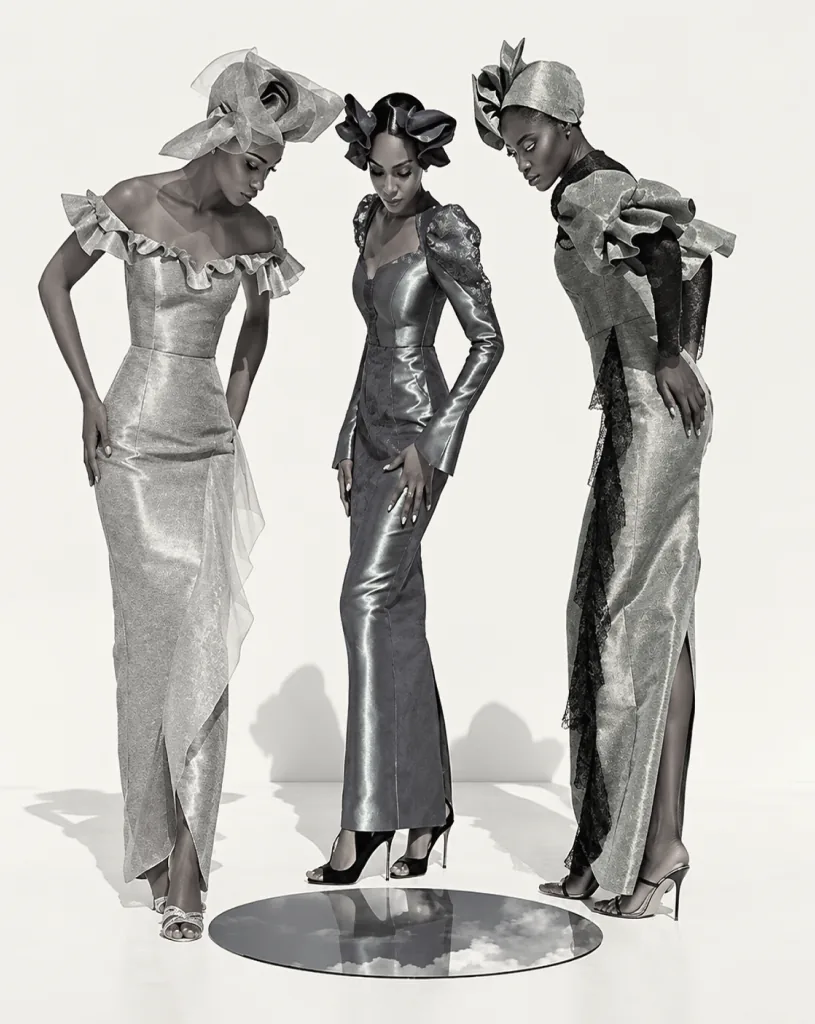
Models wearing Deola Sagoe designs

2000s – Present — Global Stage

Deola Sagoe and the New Nigeria

When Deola Sagoe showed at Arise Fashion Week in 2009, she arrived not as a student of Western fashion but as an authority on a tradition the West had never seen. Her Komole collection was built from hand-embroidered Aso-oke was the moment Nigerian fashion stopped seeking approval and started setting the terms.

What They Wore Was Who They Were

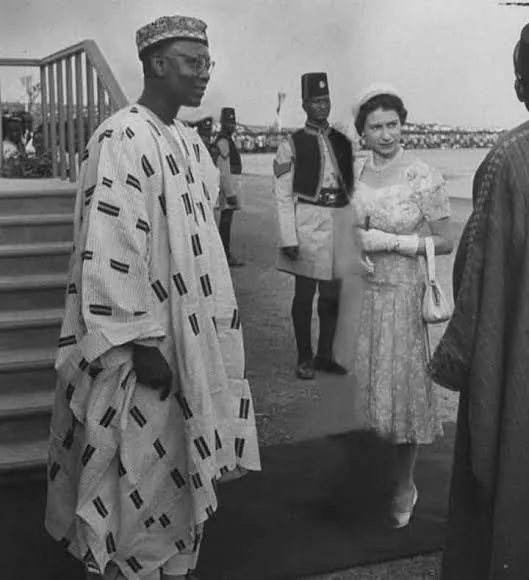
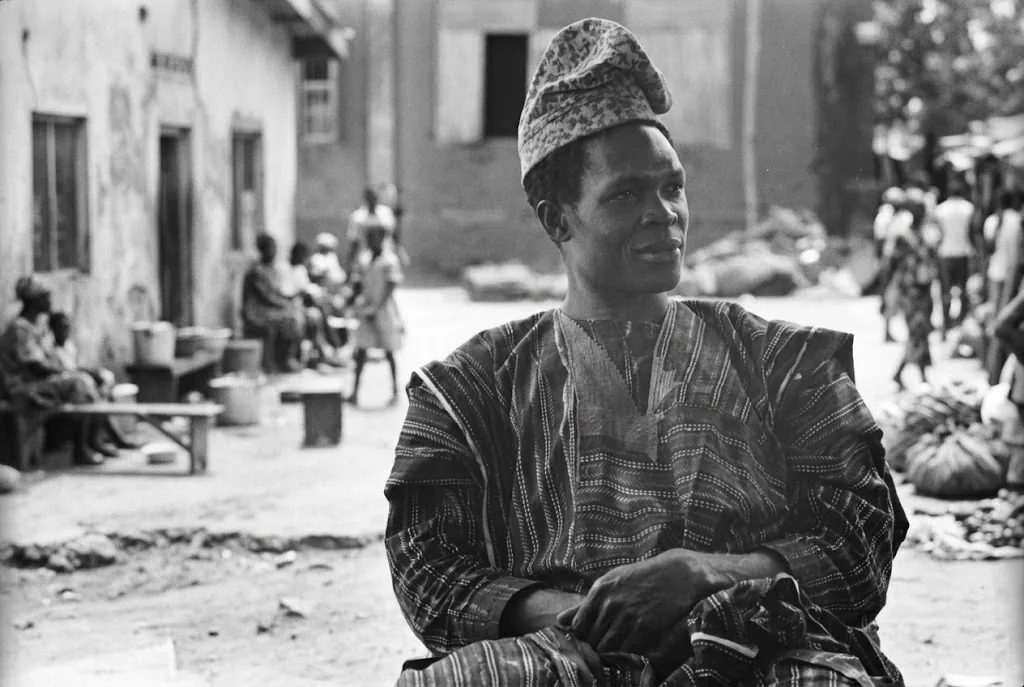
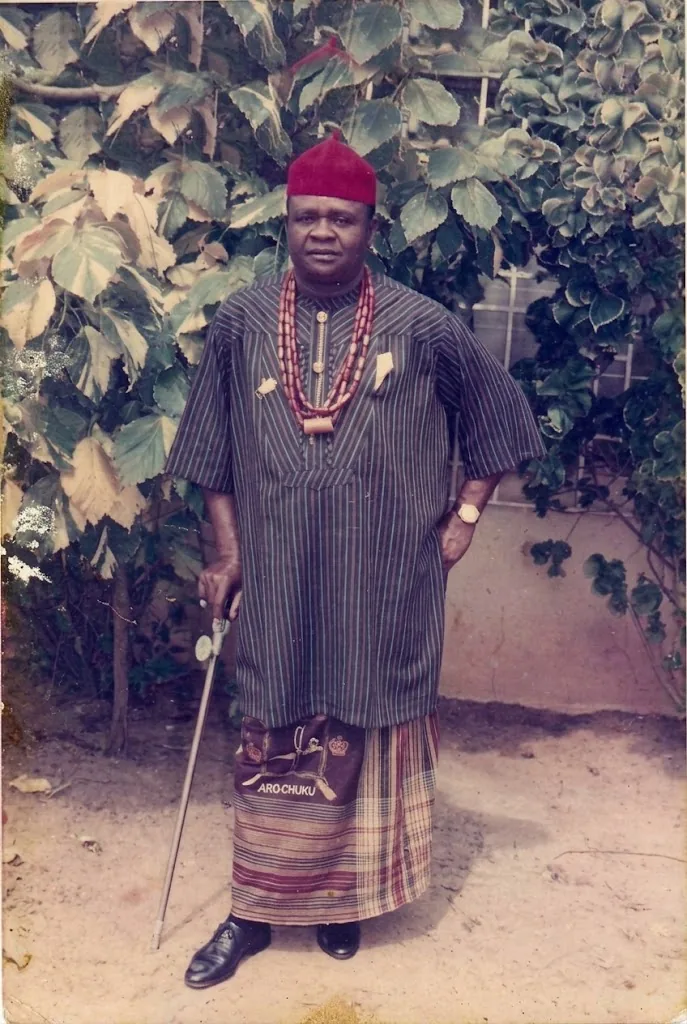
In pre-colonial Yoruba and Igbo society, clothing was a form of speech. The weight of a coral bead necklace communicated rank. The width of an Aso-oke stripe spoke of occasion. A Hausa-Fulani babban riga the wide-sleeved, embroidered robe of the north required fabric from Kano, embroidery from the hands of craftsmen who had learned the pattern from their fathers. To dress was to speak. To dress well was to declare your place in the world with precision and intention. Nigeria never needed to be told that fashion was serious. It already knew.

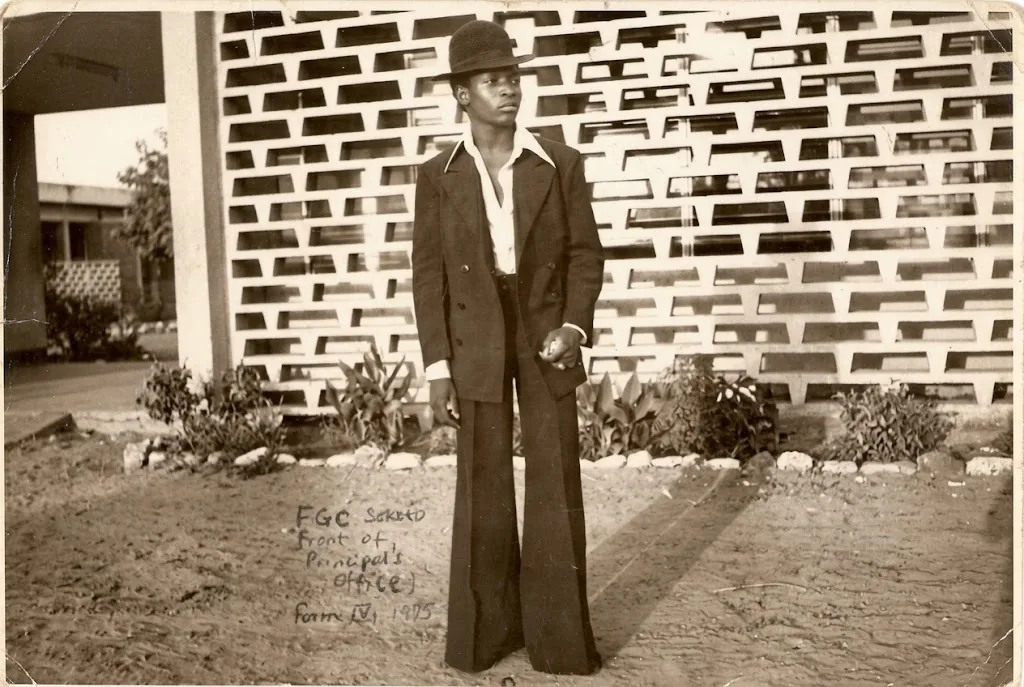
Four young men in 1970s flared suits
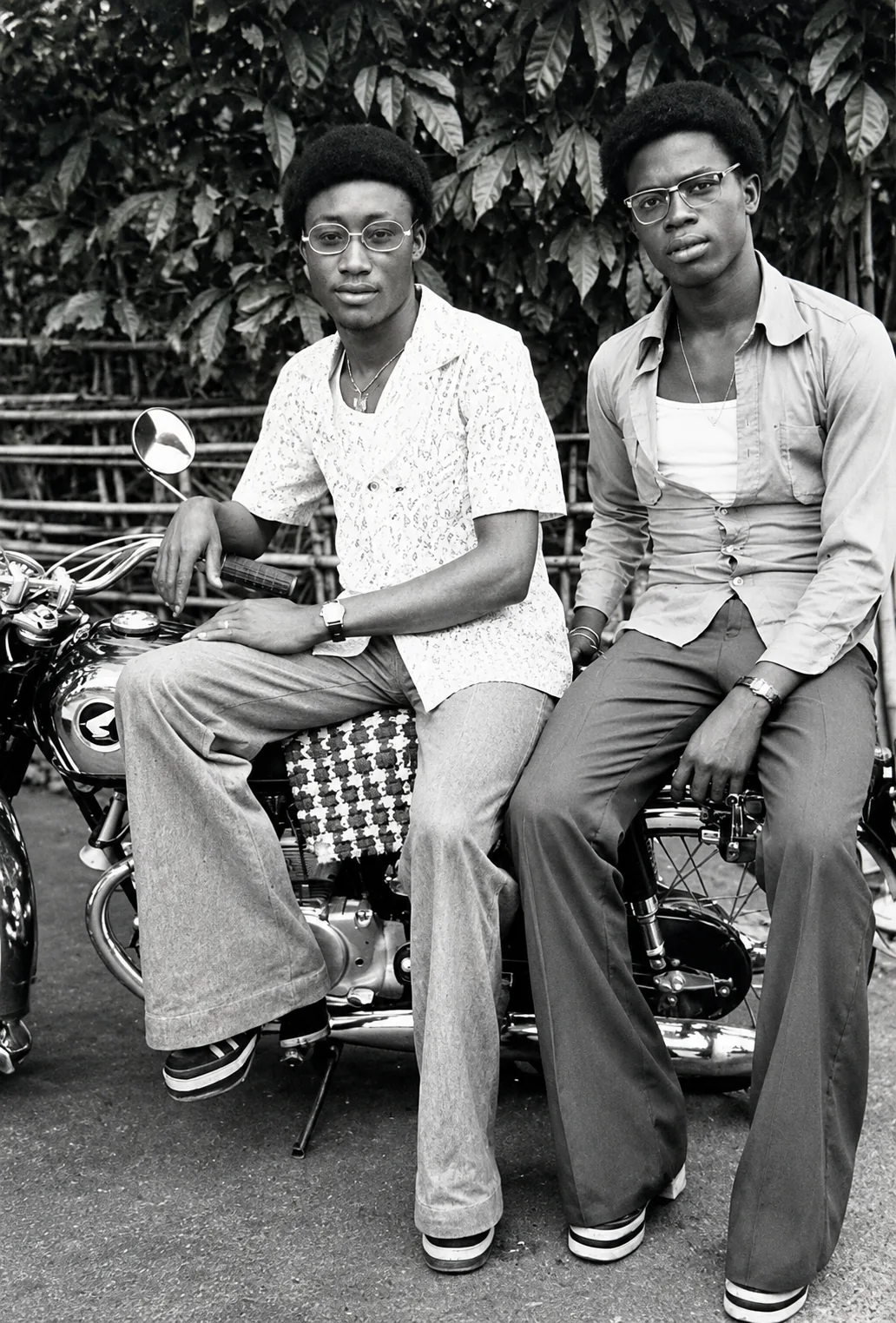
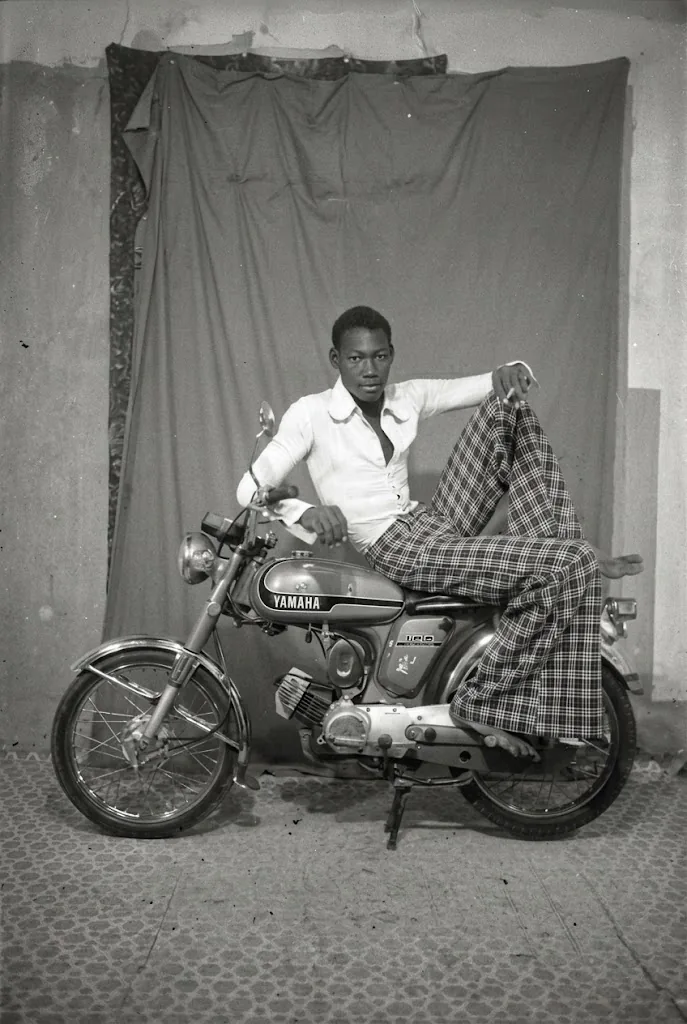
Two men posing on a motorcycle

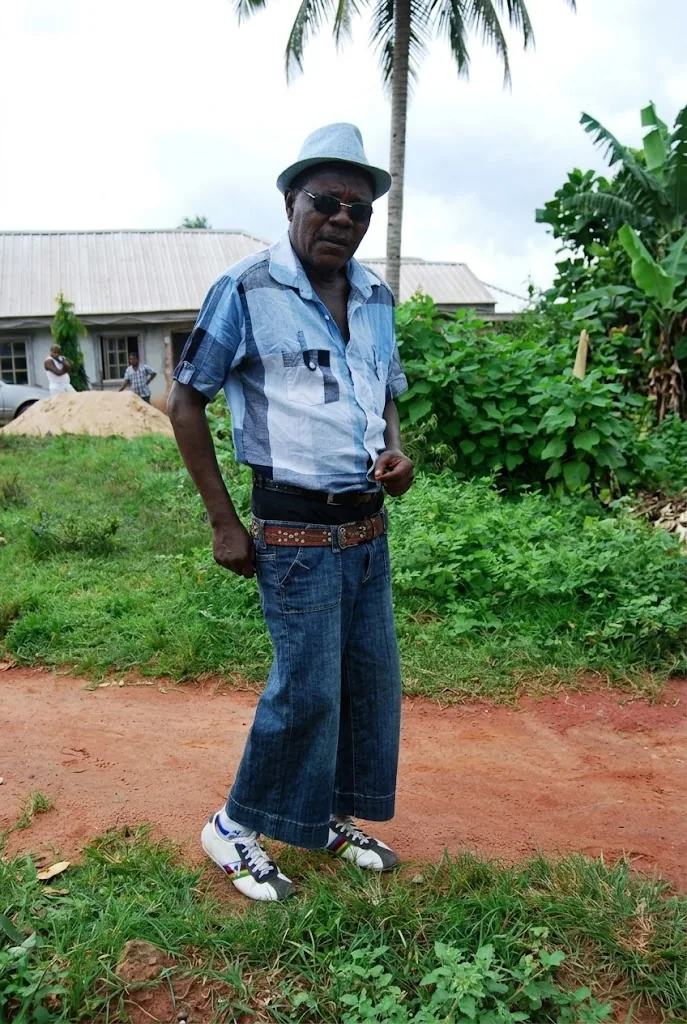
Old school gallery of fashion

The Most Creative Nation on Earth

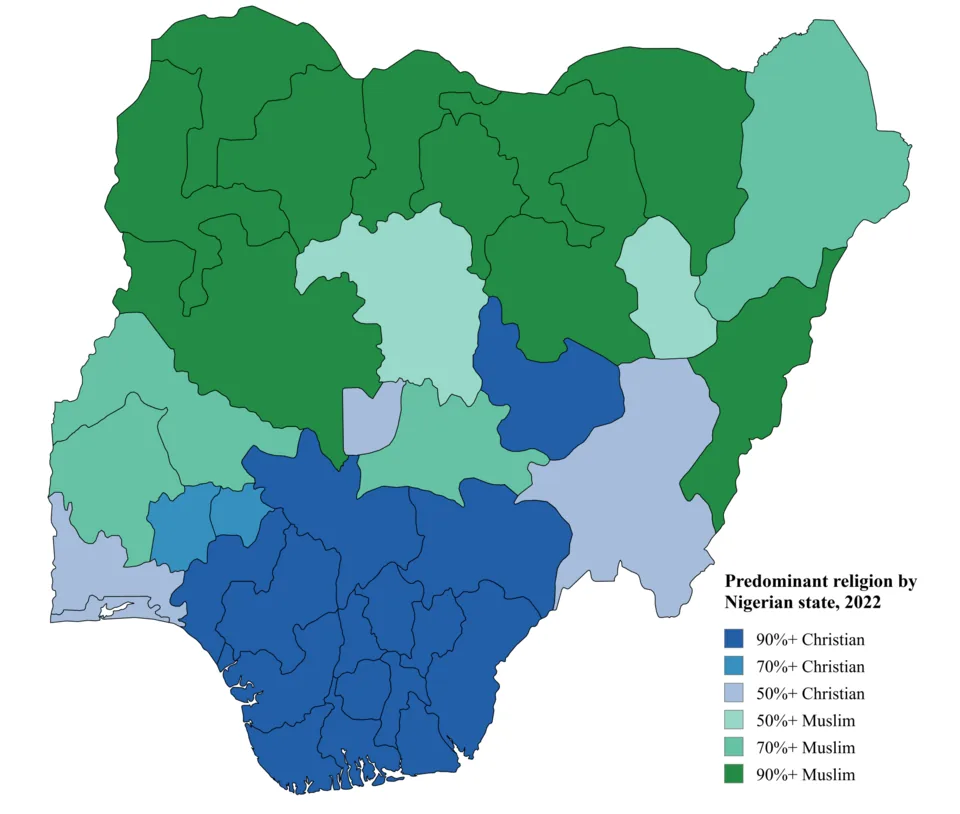
Nigeria is the most populous Black nation on earth. It is also, by most measures, the most creatively prolific. With over 200 ethnic groups, 500 languages, and a history that predates any colonial boundary the creative output of this country is not a recent development. It is the result of thousands of years of making, thinking, and refining. The archive is not a tribute. It is an accounting.

Ethnic Groups
200+
Languages
500+
Years of Independence
60+
People
220M+
World map with Nigeria highlighted

What should never be forgotten?

Every photographer who pointed a lens at a Nigerian face and said: this is worth preserving. Every musician who built a groove from nothing and made the world move to it. Every tailor who cut fabric in a way nobody had cut it before. This archive exists because forgetting is the only thing they were never willing to do. Join us in keeping it alive.